
Saturday, April 2, 2016
15 Common Cancer Symptoms You Shouldn’t Ignore
camlinknews The American Cancer Society estimates that so far in 2014, approximately 1.6 million new cases of cancer have been diagnosed in the US and nearly 600 thousand people have lost their lives to the disease. A late detection from overlooking symptoms can give the disease time to spread and become an irreversible burden. The symptoms are deceptive in the fact that they can be seemingly normal happenings. The following symptoms are inherently mundane things that you should pay attention to and consider looking into with a physician if they persist.
1. Bleeding In Between Periods (women only)
A bit of spotting in the gap of time where you aren’t normally having a period can be caused by a change in hormone levels, cervix inflammation, stress and blood thinners. It’s good to have a physician check for the likeliness of endometrial cancer in the uterus if the spotting happens more than once.
2. Bloating (women only)
About one in every ten people in the US experience bloating on a regular basis, and women are particularly susceptible to it. It’s a common ailment of dietary trends, indigestion, premenstrual syndrome and pregnancy, but a persistent bloating may be subject to concern. If your bloating lasts longer than two weeks or is paired with bleeding and weight loss, check with your doctor for your risk of ovarian cancer. You can find more details in my article about 8 early warning signs of ovarian cancer you shouldn’t ignore.
3. Changes in Your Testicles (men only)
If you notice a lump, swelling, pain or discomfort, with or without swelling or any other change in your testicle, go to see your doctor as it may indicate testicular cancer which can grow quite fast. Some doctors recommend that men ages 15 to 55 perform a monthly self-examination to identify any changes.
4. Problems When You Pee (men only)
Having an enlarged prostate gland is common among men as they get older and can cause some problems when peeing, such as the urge to pee more often, especially at night or trouble starting to pee or having a weak stream. But these can also be symptoms of prostate cancer. Visit your doctor to check the cause of the problem.
5. Breast changes
Breast cancer is one of the most common form of the disease in the world that affects both men and women. There are several evident signs that the American Cancer Society claim should be analyzed closely by a specialist, such as change in breast structure, appearance of lumps or changes in the skin or nipple. It is important to remember that these signs aren’t definitive proof of existing breast cancer. They can sometimes indicate smaller hormonal or health factors, so visiting an expert can clear any ambiguity. But there are also sneakier breast cancer indicators that many people overlook which you can read in my article about 5 unconventional signs of breast cancer.
6. Blood in Urine or Faeces
Healthy digestion is important for a healthy life. If you’re uncomfortable during digestion and notice any redness in feces or urine, you should immediately seek medical attention. This is typically an indicator of onset colon or kidney cancer. Find more information in my article about 10 warning signs of bowel (colorectal) cancer.
7. Mole Changes
Skin cancer is the most common form in the United States, with about one in every five Americans developing it sometime in their life. Women have been notably susceptible to several types of skin cancer, including the deadly melanoma. One of the most common indicators of onset skin cancer is the change in or appearance of moles. The Skin Cancer Foundation recommends using the ABDCE method of evaluating moles: asymmetry, border, color, diameter, and evolving. You can find more details in my article about warning signs of melanoma.
8. Sudden Weight Loss Without Effort
We know this symptom seems like a godsend to some, considering the rising desire to become a skinny nation. But if you experience significant weight loss without any change in diet or physical exertion, you should be more concerned than relieved. There are again many different explanations for this, but a person shouldn’t rule out the possibility of pancreatic, lung or stomach cancer.
9. Ongoing Unexplained Pain
Pain can be a result of numerous conditions, but ongoing pain which is unexplained and lasts a month or longer can signal bone, brain, or other cancers. Ask your doctor about any suspicious prolonged and unexplained pain.
10. Unusual and Persistent Fatigue
It’s completely normal to feel worn down in a busy millennial society. But what about when you haven’t really done much with your day, and you still experience a persistent tiredness? If you have a reasonable diet and sleep routine and still experiences tiredness, you should consider the root of the problem and discuss it with a physician.
11. Difficulty Swallowing
Now and then people experience a swelling or dryness of the throat that makes it difficult to swallow, otherwise known as dysphagia. While it may seem like a minor inconvenience to some, it is also sometimes caused by cancer in the mouth, throat or esophagus. If you have trouble ingesting foods or liquids, especially if it’s a regular occurrence, you should be evaluated by a medical professional.
12. Coughing
This is probably one of the most mundane and diverse symptoms on the list. There are a ton of different reasons that people cough, and more often than not they are trivial and temporary in nature. It’s when the cough persists over the course of weeks that someone should voice concern. If you find yourself in pain or short of breath during the cough it could be serious. If you cough up blood, it is serious. Smokers should pay particular attention to coughing, as it’s the most typical sign of lung cancer.
13. Heartburn
For avid coffee drinkers and connoisseurs of spicy food, heartburn may be an all too familiar struggle. Other people struggle with acid reflux because of biological dispositions. But if you’ve tried to alleviate your heartburn with an altered routine and saw no results, you should locate the root of the problem. Heartburn can be an indicator of cancer in the ovaries, heart and esophagus. Studies show that persistent heartburn may actually raise your odds of throat cancer, so immediate attention is required.
14. Fever
Exhibiting a high temperature is a regular part of nearly everybody’s life at some point. Like many of the symptoms listed above, there could be multiple explanations for discomfort brought on by a fever. It’s when the fever refuses to go away or happens in severe conditions that you should voice concern. There are many different types of cancers that are foreshadowed with longstanding fever.
15. Changes in Lymph Nodes
The lymphatic system plays an important role in fighting infections and absorbing excess fluids, fats, and toxic waste material from your entire body. Some areas where lymph nodes commonly swell are in the neck, groin, and underarms. While common infections can cause lymph swelling, some cancers, including leukemia and lymphoma, can also cause this symptom.
Always see a Doctor before you get Worried. This list may seem a bit scary, but there’s no need to worry right off the bat. Each of these symptoms can be tied to far less serious ailments than cancer, so don’t stress yourself out until you’ve been thoroughly evaluated by a professional. With a disease so serious it helps to take the extra precautions when you feel skeptical of an above-mentioned symptom.
The American Cancer Society estimates that so far in 2014, approximately 1.6 million new cases of cancer have been diagnosed in the US and nearly 600 thousand people have lost their lives to the disease. A late detection from overlooking symptoms can give the disease time to spread and become an irreversible burden. The symptoms are deceptive in the fact that they can be seemingly normal happenings. The following symptoms are inherently mundane things that you should pay attention to and consider looking into with a physician if they persist.
1. Bleeding In Between Periods (women only)
A bit of spotting in the gap of time where you aren’t normally having a period can be caused by a change in hormone levels, cervix inflammation, stress and blood thinners. It’s good to have a physician check for the likeliness of endometrial cancer in the uterus if the spotting happens more than once.
2. Bloating (women only)
About one in every ten people in the US experience bloating on a regular basis, and women are particularly susceptible to it. It’s a common ailment of dietary trends, indigestion, premenstrual syndrome and pregnancy, but a persistent bloating may be subject to concern. If your bloating lasts longer than two weeks or is paired with bleeding and weight loss, check with your doctor for your risk of ovarian cancer. You can find more details in my article about 8 early warning signs of ovarian cancer you shouldn’t ignore.
3. Changes in Your Testicles (men only)
If you notice a lump, swelling, pain or discomfort, with or without swelling or any other change in your testicle, go to see your doctor as it may indicate testicular cancer which can grow quite fast. Some doctors recommend that men ages 15 to 55 perform a monthly self-examination to identify any changes.
4. Problems When You Pee (men only)
Having an enlarged prostate gland is common among men as they get older and can cause some problems when peeing, such as the urge to pee more often, especially at night or trouble starting to pee or having a weak stream. But these can also be symptoms of prostate cancer. Visit your doctor to check the cause of the problem.
5. Breast changes
Breast cancer is one of the most common form of the disease in the world that affects both men and women. There are several evident signs that the American Cancer Society claim should be analyzed closely by a specialist, such as change in breast structure, appearance of lumps or changes in the skin or nipple. It is important to remember that these signs aren’t definitive proof of existing breast cancer. They can sometimes indicate smaller hormonal or health factors, so visiting an expert can clear any ambiguity. But there are also sneakier breast cancer indicators that many people overlook which you can read in my article about 5 unconventional signs of breast cancer.
6. Blood in Urine or Faeces
Healthy digestion is important for a healthy life. If you’re uncomfortable during digestion and notice any redness in feces or urine, you should immediately seek medical attention. This is typically an indicator of onset colon or kidney cancer. Find more information in my article about 10 warning signs of bowel (colorectal) cancer.
7. Mole Changes
Skin cancer is the most common form in the United States, with about one in every five Americans developing it sometime in their life. Women have been notably susceptible to several types of skin cancer, including the deadly melanoma. One of the most common indicators of onset skin cancer is the change in or appearance of moles. The Skin Cancer Foundation recommends using the ABDCE method of evaluating moles: asymmetry, border, color, diameter, and evolving. You can find more details in my article about warning signs of melanoma.
8. Sudden Weight Loss Without Effort
We know this symptom seems like a godsend to some, considering the rising desire to become a skinny nation. But if you experience significant weight loss without any change in diet or physical exertion, you should be more concerned than relieved. There are again many different explanations for this, but a person shouldn’t rule out the possibility of pancreatic, lung or stomach cancer.
9. Ongoing Unexplained Pain
Pain can be a result of numerous conditions, but ongoing pain which is unexplained and lasts a month or longer can signal bone, brain, or other cancers. Ask your doctor about any suspicious prolonged and unexplained pain.
10. Unusual and Persistent Fatigue
It’s completely normal to feel worn down in a busy millennial society. But what about when you haven’t really done much with your day, and you still experience a persistent tiredness? If you have a reasonable diet and sleep routine and still experiences tiredness, you should consider the root of the problem and discuss it with a physician.
11. Difficulty Swallowing
Now and then people experience a swelling or dryness of the throat that makes it difficult to swallow, otherwise known as dysphagia. While it may seem like a minor inconvenience to some, it is also sometimes caused by cancer in the mouth, throat or esophagus. If you have trouble ingesting foods or liquids, especially if it’s a regular occurrence, you should be evaluated by a medical professional.
12. Coughing
This is probably one of the most mundane and diverse symptoms on the list. There are a ton of different reasons that people cough, and more often than not they are trivial and temporary in nature. It’s when the cough persists over the course of weeks that someone should voice concern. If you find yourself in pain or short of breath during the cough it could be serious. If you cough up blood, it is serious. Smokers should pay particular attention to coughing, as it’s the most typical sign of lung cancer.
13. Heartburn
For avid coffee drinkers and connoisseurs of spicy food, heartburn may be an all too familiar struggle. Other people struggle with acid reflux because of biological dispositions. But if you’ve tried to alleviate your heartburn with an altered routine and saw no results, you should locate the root of the problem. Heartburn can be an indicator of cancer in the ovaries, heart and esophagus. Studies show that persistent heartburn may actually raise your odds of throat cancer, so immediate attention is required.
14. Fever
Exhibiting a high temperature is a regular part of nearly everybody’s life at some point. Like many of the symptoms listed above, there could be multiple explanations for discomfort brought on by a fever. It’s when the fever refuses to go away or happens in severe conditions that you should voice concern. There are many different types of cancers that are foreshadowed with longstanding fever.
15. Changes in Lymph Nodes
The lymphatic system plays an important role in fighting infections and absorbing excess fluids, fats, and toxic waste material from your entire body. Some areas where lymph nodes commonly swell are in the neck, groin, and underarms. While common infections can cause lymph swelling, some cancers, including leukemia and lymphoma, can also cause this symptom.
Always see a Doctor before you get Worried. This list may seem a bit scary, but there’s no need to worry right off the bat. Each of these symptoms can be tied to far less serious ailments than cancer, so don’t stress yourself out until you’ve been thoroughly evaluated by a professional. With a disease so serious it helps to take the extra precautions when you feel skeptical of an above-mentioned symptom.

15 Best & Worst Foods to Eat When You’re Sick
By camlinknews Being sick is never fun. While reducing stress and getting plenty of sleep can help you get through a nasty bout of seasonal sickness, food can play an important role, too. Of course, some foods are better than others. Here are some of the best and worst foods you can eat when you’re feeling under the weather.
BEST FOODS
Bone Broth. Chicken soup has been a longtime remedy for any sickness — and for good reason. Broth, slow-cooked bone broth in particular, is very dense in nutrients, including magnesium, phosphorus, and other difficult to obtain trace minerals. Your body will have a harder time fighting off illness if it is suffering a deficiency, and drinking warm broth is comforting for the soul.
Hot Tea. Not only is green tea chock full of antioxidants, but it also has anti-viral and antibacterial properties — yet another reason to stock green tea in your pantry. If caffeine isn’t your thing, chamomile tea elevates phenols, which are antioxidants that have been shown to possess antibacterial powers.
Raw honey. Honey is sometimes thought to be as effective (or more) in suppressing coughs as over-the-counter meds. A 2010 study found that children with upper respiratory infections experienced greater relief from a 2.5 ml serving of honey before bed than from over-the-counter cough suppressants. If you have some spare change, try New Zealand’s own manuka honey, which is touted as being one of the most medicinal honeys in the world.
Citrus. Grapefruit, oranges, and lemons are bursting with nutrients, including vitamin C, which is a well-documented ally if you’re fighting off the sniffles. Eat them whole, spritz some into your water, or make homemade juice if you’re feeling up to it. Popsicles are also great for numbing a sore throat. Ask someone to make you some homemade orange juice pops for a tasty, health-boosting remedy. Don’t waste your money on Vitamin C supplements, though — the body can’t use more than 200 milligrams a day.
Apple cider vinegar. Does ACV have no end to its glory? It is a potent anti-viral, anti-fungal, antibacterial, and anti-inflammatory. It also helps to reduce acidity in the body by acting as an alkalizing agent. A tonic consisting of a tablespoon or two of raw ACV, raw honey, and lots of water could have you feeling a little bit less foggy in no time.
Spicy foods. If you just have a head cold, eating something spicy might be the way to clear out your sinuses. When consuming spicy foods, your body will naturally loosen the mucus and phlegm that is clogging your body, and you might be able to breathe a little better. Spicy foods include chili pepper, horseradish, and wasabi. Take note: if you have a stomach illness, spicy foods may only aggravate your symptoms.
Garlic. As an antimicrobial and antibiotic, garlic is known to boost immunity. It also increases enzymes that help to detoxify the blood. Studies have shown that garlic can not only help ward off colds but also reduce the duration and severity of illness. Load up a homemade bone broth and sip throughout the day.
Elderberries. A 2009 study showed that elderberry extracts were able to block the H1N1 virus’s ability to infect host cells. That means it is a potent anti-viral. Okay, so maybe you don’t have an elderberry tonic stored in the back of your fridge, but if you find it or decide to make some, know that elderberries are great virus-fighters. Some even claim it can reduce the duration of colds and upper-respiratory infections.
Ginger. This well-documented root helps with nausea. But, instead of reaching for a regular ginger ale loaded with high fructose corn syrup, try a natural ginger beer or ginger tea. These will have a higher potency of ginger and won’t cause further inflammation caused by unwelcome sugars.
Bananas. Aside from their high vitamin content and energizing sugars, bananas are quite gentle on the stomach. If you’re suffering from a digestive-related illness, know bananas are a safe bet — along with rice, applesauce, and toast.
Oregano. Anti-viral, anti-microbial, and anti-inflammatory, oil of oregano is extremely powerful and has been shown to fight viruses. It inhibits the growth of unwelcome pathogens, and has myriad other health uses to warrant it a spot in your medicine cabinet. Add a few drops to water or cook with the whole herb. Just exercise caution, as it is very potent.
Being sick is never fun. While reducing stress and getting plenty of sleep can help you get through a nasty bout of seasonal sickness, food can play an important role, too. Of course, some foods are better than others. Here are some of the best and worst foods you can eat when you’re feeling under the weather.
BEST FOODS
Bone Broth. Chicken soup has been a longtime remedy for any sickness — and for good reason. Broth, slow-cooked bone broth in particular, is very dense in nutrients, including magnesium, phosphorus, and other difficult to obtain trace minerals. Your body will have a harder time fighting off illness if it is suffering a deficiency, and drinking warm broth is comforting for the soul.
Hot Tea. Not only is green tea chock full of antioxidants, but it also has anti-viral and antibacterial properties — yet another reason to stock green tea in your pantry. If caffeine isn’t your thing, chamomile tea elevates phenols, which are antioxidants that have been shown to possess antibacterial powers.
Raw honey. Honey is sometimes thought to be as effective (or more) in suppressing coughs as over-the-counter meds. A 2010 study found that children with upper respiratory infections experienced greater relief from a 2.5 ml serving of honey before bed than from over-the-counter cough suppressants. If you have some spare change, try New Zealand’s own manuka honey, which is touted as being one of the most medicinal honeys in the world.
Citrus. Grapefruit, oranges, and lemons are bursting with nutrients, including vitamin C, which is a well-documented ally if you’re fighting off the sniffles. Eat them whole, spritz some into your water, or make homemade juice if you’re feeling up to it. Popsicles are also great for numbing a sore throat. Ask someone to make you some homemade orange juice pops for a tasty, health-boosting remedy. Don’t waste your money on Vitamin C supplements, though — the body can’t use more than 200 milligrams a day.
Apple cider vinegar. Does ACV have no end to its glory? It is a potent anti-viral, anti-fungal, antibacterial, and anti-inflammatory. It also helps to reduce acidity in the body by acting as an alkalizing agent. A tonic consisting of a tablespoon or two of raw ACV, raw honey, and lots of water could have you feeling a little bit less foggy in no time.
Spicy foods. If you just have a head cold, eating something spicy might be the way to clear out your sinuses. When consuming spicy foods, your body will naturally loosen the mucus and phlegm that is clogging your body, and you might be able to breathe a little better. Spicy foods include chili pepper, horseradish, and wasabi. Take note: if you have a stomach illness, spicy foods may only aggravate your symptoms.
Garlic. As an antimicrobial and antibiotic, garlic is known to boost immunity. It also increases enzymes that help to detoxify the blood. Studies have shown that garlic can not only help ward off colds but also reduce the duration and severity of illness. Load up a homemade bone broth and sip throughout the day.
Elderberries. A 2009 study showed that elderberry extracts were able to block the H1N1 virus’s ability to infect host cells. That means it is a potent anti-viral. Okay, so maybe you don’t have an elderberry tonic stored in the back of your fridge, but if you find it or decide to make some, know that elderberries are great virus-fighters. Some even claim it can reduce the duration of colds and upper-respiratory infections.
Ginger. This well-documented root helps with nausea. But, instead of reaching for a regular ginger ale loaded with high fructose corn syrup, try a natural ginger beer or ginger tea. These will have a higher potency of ginger and won’t cause further inflammation caused by unwelcome sugars.
Bananas. Aside from their high vitamin content and energizing sugars, bananas are quite gentle on the stomach. If you’re suffering from a digestive-related illness, know bananas are a safe bet — along with rice, applesauce, and toast.
Oregano. Anti-viral, anti-microbial, and anti-inflammatory, oil of oregano is extremely powerful and has been shown to fight viruses. It inhibits the growth of unwelcome pathogens, and has myriad other health uses to warrant it a spot in your medicine cabinet. Add a few drops to water or cook with the whole herb. Just exercise caution, as it is very potent. WORST FOODS
In general, you should avoid any foods that cause inflammation, like white flour, refined sugar, and artificial sweeteners. Here are a few examples:
Highly acidic foods. When your body is trying to bring itself back into balance, you don’t want to keep pumping in acidity and inflammation. Stay clear of any foods to which you may be sensitive — like dairy and gluten — and opt for eating less red meat and dairy, which can be heavy and acidic to the body.
Sugary foods. Sugar is acidic to the body. Avoid refined sugars and artificial sweeteners, which cause inflammation. Instead, opt for honey and maple syrup, which are full of beneficial minerals, or eat whole fruits, which balance the sugar intake with fiber.
Fatty foods. Fried chicken is not going to make you feel any better. Foods high in grease and fat often leave your stomach unsettled and can produce further inflammation. Adding to your bodily inflammation while your sick just isn’t a smart idea, so steer clear of all fast food burgers when you are fighting off a cold.
Dairy. While there isn’t a general consensus on this, most believe that dairy encourages the development of mucus. It’s probably not something you’re craving when you have a stomach bug either. If you’re searching for something cold to soothe your throat, opt for natural popsicles before hunkering down with a pint of Ben & Jerry’s cookie dough. (On the other hand, fermented dairy, like yogurt and kefir, may be beneficial in small amounts, due to the high levels of probiotics.)
The earlier you recognize an incoming illness, the better. Eating the proper foods can help you get out of bed and out into the world in no time. Remember, your food is medicine. What foods do you use to remedy the flu and seasonal sicknesses?
WORST FOODS
In general, you should avoid any foods that cause inflammation, like white flour, refined sugar, and artificial sweeteners. Here are a few examples:
Highly acidic foods. When your body is trying to bring itself back into balance, you don’t want to keep pumping in acidity and inflammation. Stay clear of any foods to which you may be sensitive — like dairy and gluten — and opt for eating less red meat and dairy, which can be heavy and acidic to the body.
Sugary foods. Sugar is acidic to the body. Avoid refined sugars and artificial sweeteners, which cause inflammation. Instead, opt for honey and maple syrup, which are full of beneficial minerals, or eat whole fruits, which balance the sugar intake with fiber.
Fatty foods. Fried chicken is not going to make you feel any better. Foods high in grease and fat often leave your stomach unsettled and can produce further inflammation. Adding to your bodily inflammation while your sick just isn’t a smart idea, so steer clear of all fast food burgers when you are fighting off a cold.
Dairy. While there isn’t a general consensus on this, most believe that dairy encourages the development of mucus. It’s probably not something you’re craving when you have a stomach bug either. If you’re searching for something cold to soothe your throat, opt for natural popsicles before hunkering down with a pint of Ben & Jerry’s cookie dough. (On the other hand, fermented dairy, like yogurt and kefir, may be beneficial in small amounts, due to the high levels of probiotics.)
The earlier you recognize an incoming illness, the better. Eating the proper foods can help you get out of bed and out into the world in no time. Remember, your food is medicine. What foods do you use to remedy the flu and seasonal sicknesses?


13 Surprising Sources of Protein (Meat Free)
By camlinknews Eating a vegetarian diet can be very healthy and rewarding. However, it is a common concern among vegetarians that they are not consuming enough protein. But there is no need for vegetarians to force themselves to eat meat, as there are many vegetarian foods which contain an abundant amount of protein and amino acids (the building blocks of proteins). So, look no further than this list of protein-rich (meatless) foods for you to feast on!
Eating more proteins is also one of the 70 habits featured in my e-book 70 Powerful Habits For A Great Health which will guide you how to take positive steps to improve your wellness and overall health.
1. Avocado
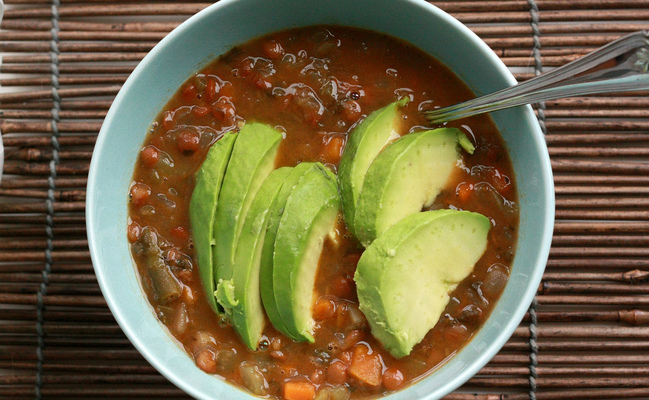
Avocados are full of good stuff. Don’t listen to those who say they are fattening. Avocados do contain fat, indeed, but good fat that your body needs. Avocados are also loaded with protein. To get the best out of it, chop it up and add it to salads, smoothies, or pop it on toast!
Further reading: Find here 11 healthy reasons to eat avocado and what to do with the pit.
2. Chickpeas
Just half a cup of chickpeas contains more than 7 grams of protein. So why not make delicious homemade hummus by pureeing chickpeas with tahini, garlic, lemon juice and some olive oil. Alternatively, you can roast them for an on-the-go protein boost.
3. Lentils
The combination of a high fiber content and protein makes lentils a fulfilling meal choice while keeping your blood sugar levels stable, meaning more energy and less hunger cravings. Lentils are also packed with iron (6.6mg per cup cooked — over 80% of the daily recommended intake for men). Plus, lentils are easy to prepare and take less time to cook than most beans and legumes because they don’t need to be soaked beforehand. All you have to do is cook them in liquid, such as water or a stock/broth, in a 3:1 liquid to lentil ratio for just 20 to 30 minutes, until they are soft.
4. Beans
You can choose from many different types of beans. The choice is yours! Whether that’s black, white, pinto or heirloom, plus many more. Whichever bean you choose, you can rest assured that it will contain as much protein as the other. One cup of kidney beans, for example, contain around 15 grams protein.
5. Green Peas
Did you know that those little green balls contain about as much protein as a small serving of peanut butter? Just one cup of peas contains 8 grams of protein. Plus 100% of your daily vitamin C allowance, and lots of fulfilling fiber.
6. Sundried tomatoes
Sundried tomatoes are a delicious addition to your salad. But if their tastiness isn’t enough to entice you, then maybe the fact that 1 cup of them contains 8 grams of protein will!
7. Nuts
Like avocados, nuts contain lots of healthy fats and are packed with protein, making them an ideal snack. Pistachios, for example, contains 160 calories and 5 or 6 grams of protein per ounce. Just make sure you choose raw nuts as opposed to those full of salt and sugar. Nut butters are also a great choice for spreading on toast, or eating straight out of the jar! But again, make sure you choose nut butters which contain as less extra ingredients as possible, in order to make it more pure and healthy.
Further reading: Read my previous article about the amazing health benefits of nuts and seeds (including delicious recipes).
8. Pumpkin Seeds
Pumpkin seeds are so full of protein that there’s really no excuse for you not to be scoffing them. One tiny ounce contains 9 grams of protein! So for goodness sake, if you don’t already, start eating them! A delicious way to have pumpkin seeds is simply popping them on top of your oatmeal or salad or adding them to smoothies.
9. Hemp Seeds
Hemp seeds are another super-seed that boasts 6 grams of protein per ounce. That’s as much as an egg! Hemp seeds are very versatile and can be added to salads, granola, rice dishes, cookies, oatmeal or even mixed up in a green smoothie. Go on, get creative!
10. Chia Seeds
Chia seeds are often touted as the most nutritiously dense seed, full of antioxidants, fiber, omega 3-fatty acids, and you guessed it, protein! (4.7 grams per ounce, about two tablespoons). Chia seeds can be whizzed up in green smoothie, sprinkled over salads, popped into yogurt or oatmeal, or you can even put them in milk, where they will form a gel-like texture, making a rich and creamy treat! It is a true superfood that is also featured in my e-book about superfoods which is part of the Natural Health Revolution Program, a program that will help you to achieve your health, nutrition or weight loss goals.
Further reading: Find in this article 10 amazing reasons you should eat chia seeds.
11. Quinoa
A lot of people think that quinoa is a grain, whereas, actually, it is in fact, a seed. Most grains only contain a small amount of protein, but quinoa contains more than 8 grams per cup! Not to mention it includes essential amino acids that our bodies need. It’s no wonder why quinoa is referred to as the ‘perfect protein.’ Plus, there’s so much you can do with quinoa. You can use it in soup, or make a quinoa porridge with maple syrup and fresh fruit. Or you could make a refreshing quinoa salad. The possibilities are endless! You can even make delicious gluten-free quinoa fritters with tzaziki – find the recipe here.
12. Oatmeal
Eating a bowl of oatmeal is a fabulous way to start your day, as oats release their energy slowly. They also contain a rather hefty amount of protein. 1 cup oats contain 26 grams of protein! You can make delicious oatmeal for breakfast or add them to smoothies like this banana oatmeal smoothie.
Rice is not the most protein-packed food on this list. However, brown rice is a healthy food option, containing B-vitamins, essential fatty acids, fiber, manganese, and phosphorus, as opposed to white rice, which is heavily processed. There is 4.5 to 5 grams of protein for a cup of brown rice.
Eating a vegetarian diet can be very healthy and rewarding. However, it is a common concern among vegetarians that they are not consuming enough protein. But there is no need for vegetarians to force themselves to eat meat, as there are many vegetarian foods which contain an abundant amount of protein and amino acids (the building blocks of proteins). So, look no further than this list of protein-rich (meatless) foods for you to feast on!
Eating more proteins is also one of the 70 habits featured in my e-book 70 Powerful Habits For A Great Health which will guide you how to take positive steps to improve your wellness and overall health.
1. Avocado
Avocados are full of good stuff. Don’t listen to those who say they are fattening. Avocados do contain fat, indeed, but good fat that your body needs. Avocados are also loaded with protein. To get the best out of it, chop it up and add it to salads, smoothies, or pop it on toast!
Further reading: Find here 11 healthy reasons to eat avocado and what to do with the pit.
2. Chickpeas
Just half a cup of chickpeas contains more than 7 grams of protein. So why not make delicious homemade hummus by pureeing chickpeas with tahini, garlic, lemon juice and some olive oil. Alternatively, you can roast them for an on-the-go protein boost.
3. Lentils
The combination of a high fiber content and protein makes lentils a fulfilling meal choice while keeping your blood sugar levels stable, meaning more energy and less hunger cravings. Lentils are also packed with iron (6.6mg per cup cooked — over 80% of the daily recommended intake for men). Plus, lentils are easy to prepare and take less time to cook than most beans and legumes because they don’t need to be soaked beforehand. All you have to do is cook them in liquid, such as water or a stock/broth, in a 3:1 liquid to lentil ratio for just 20 to 30 minutes, until they are soft.
4. Beans
You can choose from many different types of beans. The choice is yours! Whether that’s black, white, pinto or heirloom, plus many more. Whichever bean you choose, you can rest assured that it will contain as much protein as the other. One cup of kidney beans, for example, contain around 15 grams protein.
5. Green Peas
Did you know that those little green balls contain about as much protein as a small serving of peanut butter? Just one cup of peas contains 8 grams of protein. Plus 100% of your daily vitamin C allowance, and lots of fulfilling fiber.
6. Sundried tomatoes
Sundried tomatoes are a delicious addition to your salad. But if their tastiness isn’t enough to entice you, then maybe the fact that 1 cup of them contains 8 grams of protein will!
7. Nuts
Like avocados, nuts contain lots of healthy fats and are packed with protein, making them an ideal snack. Pistachios, for example, contains 160 calories and 5 or 6 grams of protein per ounce. Just make sure you choose raw nuts as opposed to those full of salt and sugar. Nut butters are also a great choice for spreading on toast, or eating straight out of the jar! But again, make sure you choose nut butters which contain as less extra ingredients as possible, in order to make it more pure and healthy.
Further reading: Read my previous article about the amazing health benefits of nuts and seeds (including delicious recipes).
8. Pumpkin Seeds
Pumpkin seeds are so full of protein that there’s really no excuse for you not to be scoffing them. One tiny ounce contains 9 grams of protein! So for goodness sake, if you don’t already, start eating them! A delicious way to have pumpkin seeds is simply popping them on top of your oatmeal or salad or adding them to smoothies.
9. Hemp Seeds
Hemp seeds are another super-seed that boasts 6 grams of protein per ounce. That’s as much as an egg! Hemp seeds are very versatile and can be added to salads, granola, rice dishes, cookies, oatmeal or even mixed up in a green smoothie. Go on, get creative!
10. Chia Seeds
Chia seeds are often touted as the most nutritiously dense seed, full of antioxidants, fiber, omega 3-fatty acids, and you guessed it, protein! (4.7 grams per ounce, about two tablespoons). Chia seeds can be whizzed up in green smoothie, sprinkled over salads, popped into yogurt or oatmeal, or you can even put them in milk, where they will form a gel-like texture, making a rich and creamy treat! It is a true superfood that is also featured in my e-book about superfoods which is part of the Natural Health Revolution Program, a program that will help you to achieve your health, nutrition or weight loss goals.
Further reading: Find in this article 10 amazing reasons you should eat chia seeds.
11. Quinoa
A lot of people think that quinoa is a grain, whereas, actually, it is in fact, a seed. Most grains only contain a small amount of protein, but quinoa contains more than 8 grams per cup! Not to mention it includes essential amino acids that our bodies need. It’s no wonder why quinoa is referred to as the ‘perfect protein.’ Plus, there’s so much you can do with quinoa. You can use it in soup, or make a quinoa porridge with maple syrup and fresh fruit. Or you could make a refreshing quinoa salad. The possibilities are endless! You can even make delicious gluten-free quinoa fritters with tzaziki – find the recipe here.
12. Oatmeal
Eating a bowl of oatmeal is a fabulous way to start your day, as oats release their energy slowly. They also contain a rather hefty amount of protein. 1 cup oats contain 26 grams of protein! You can make delicious oatmeal for breakfast or add them to smoothies like this banana oatmeal smoothie.
Rice is not the most protein-packed food on this list. However, brown rice is a healthy food option, containing B-vitamins, essential fatty acids, fiber, manganese, and phosphorus, as opposed to white rice, which is heavily processed. There is 4.5 to 5 grams of protein for a cup of brown rice.
10 Signs You Are Eating Too Much Sugar
By camlinknews High creatinine treatment
Avoid Dialysis and Transplant effectively control disease
Sugar-related illnesses are on the rise. Diabetes, cardio-vascular problems, cancer and even adrenal fatigue are just some of the serious chronic diseases connected to over-indulging in the sweet white poison.
Many people realize they are addicted to sugar when throughout the day, they would often find themselves craving something sweet and comforting that would give them a little lift. Have you become a sugar addict? Are you eating too much sugar? Here are warning signs you’re eating too much sugar.
10 Signs you are Eating Too Much Sugar
1. Tiredness & Lack of energy
A constant feeling of tiredness or fatigue is one of the biggest signs you’ve got too much sugar in your diet.
Although high-sugar foods can give you a big carbohydrate boost and temporarily lend a feeling of increased energy, the crash that comes afterward is a daunting one. Feeling tired all the time may be a sign that it’s time to reexamine your diet to see if you’re eating (or drinking) too much sugar. There could be other reasons you are feeling tired and you can read about them in my article about the 6 reasons you’re tired all the time and how to beat fatigue.
2. Sugar/Carb Cravings
If you find yourself craving the sweet flavor of sugary snacks on a daily basis, chances are you’ve become a sugar addict.
Sugar consumption can create a chain reaction of sugar cravings because it is so sweetly addictive. If you hear the carbs calling your name with every move you make, you could be in the throes of a deep sugar addiction.
3. Frequent colds & flu
If you find yourself falling ill more often than you used to, it could be due to having excessive sugar in your diet.
If every virus that goes around seems to find you and make you sick, it could be due to your penchant for sugary treats. Consumption of too much sugar can weaken your immune system, making your body’s natural ability to fight off colds, flu viruses, and even chronic disease weaker than it would be if you avoided foods with added sugars.
You can use my tips for boosting your immune system naturally or you or you could try these 10 quick life hacks to improve your immunity almost immediately
4. Anxiety or depression
Just as eating a lot of sugar can make your body physically crash, it can make you emotionally crash, as well.
Once sugar’s energy-boosting effects have worn off, the physical fatigue of the “sugar crash” may be accompanied by psychological fatigue. Feelings associated with depression, such as lethargy, sadness, and social withdrawal, may be experienced by sugar addicts. Feelings of anxiety, such as nervousness, feelings of impending doom, and constant worry, may also be a sign that your sugary diet needs adjustment. If you suffer from anxiety or depression, you can try essential oils for anxiety and depression and you can also try these 4 natural treatments for depression.
5. Skin problems (including dark circles under your eyes)
Sugar has an inflammatory effect on the body when it is eaten, so it can also contribute to inflammatory skin problems.
If you find yourself suffering from acne, rosacea, eczema, or even just excessive oiliness or dryness, sugar could be to blame. Some people find that cutting sugar out of their diets greatly improves their skin problems (not to mention their overall health). I already mentioned in the past that too much sugar consumption can cause adrenal fatigue and there are people who believe that one of the signs of adrenal fatigue is dark circles under the eyes.
6. Weight problems
The human body is set up to accommodate a limited amount of sugar. When the body has had its fill and the sugar keeps pouring in, the sugar calories end up being converted to and stored as body fat.
This can quickly lead to weight problems like obesity—and weight problems carry a risk for a host of health problems, such as high blood cholesterol levels, cardiac problems, sleep apnea, and more.
If you want to lose weight you can try to use this spice or this drink. You can also start walking or make only 3 simple changes in your life.
7. High blood pressure
Blood pressure problems may not be due to the sodium in your diet, but rather, to the sugar in your diet.
In one 2010 study performed by researchers at the University of Colorado – Denver, more than 4,500 adults were studied and the data gathered showed that there was a link between hypertension (high blood pressure) and excessive sugar consumption. So, if you have high blood pressure, don’t be too quick to blame the salt shaker without looking at your sugar intake, as well.
8. Dental issues
Virtually everyone has heard that sugar is no good for your teeth, and it’s the truth. If you keep finding yourself in the dentist’s chair due to constant cavities requiring fillings and root canals, it could be the sugar you eat causing the problem.
Sugar likes to work its way into the nooks and crannies in your teeth, where it can rot away tooth enamel and infiltrate your teeth, causing painful dental problems. Make sure to follow these helpful tips for natural dental care.
9. Diabetes
Eating too much sugar or sugary foods can cause weight gain, and weight gain can increase your risk for developing type II diabetes.
Even if you haven’t ever been diagnosed as full-on diabetic, many people are “pre-diabetic” and don’t even realize it. If you find yourself constantly thirsty or hungry in spite of regular eating and hydration and feel flushed after a sugar binge or extremely weak and “off” when you skip a meal, you may wish to talk to your doctor about your diabetes risk. There are other early warning signs of diabetes that you shouldn’t ignore.
10. Heart problems
A sugary diet has the potential to wreak havoc on the heart.
In a study conducted on rats at Case Reserve Western University, a high-sucrose diet was found to hasten death and increase risk for cardiac issues more than high-fructose, high-fat, or high-starch diets.
These findings cannot be applied directly to people, as the subjects in the study were rodents—but since sugar bingeing does increase the risk of developing illnesses that have a negative impact on heart health in humans, it’s not a far leap. There are foods that can help you to keep your heart in top working condition.
How to Beat Sugar Addiction
Reducing the amount of refined sugar and simple carbs is one of the 70 habits featured in the e-book 70 Powerful Habits For A Great Health which will guide you how to take positive steps to improve your wellness and overall health. And with the potential to cause all these health problems and overall bad feelings, there’s no reason to keep eating sugar-laden foods and gulping down sugary drinks.
If you take a close look at what you’re consuming and find sugary stuff to be a common theme, it’s time to make a pledge to purge yourself of excessive sugar.
High creatinine treatment
Avoid Dialysis and Transplant effectively control disease
Sugar-related illnesses are on the rise. Diabetes, cardio-vascular problems, cancer and even adrenal fatigue are just some of the serious chronic diseases connected to over-indulging in the sweet white poison.
Many people realize they are addicted to sugar when throughout the day, they would often find themselves craving something sweet and comforting that would give them a little lift. Have you become a sugar addict? Are you eating too much sugar? Here are warning signs you’re eating too much sugar.
10 Signs you are Eating Too Much Sugar
1. Tiredness & Lack of energy
A constant feeling of tiredness or fatigue is one of the biggest signs you’ve got too much sugar in your diet.
Although high-sugar foods can give you a big carbohydrate boost and temporarily lend a feeling of increased energy, the crash that comes afterward is a daunting one. Feeling tired all the time may be a sign that it’s time to reexamine your diet to see if you’re eating (or drinking) too much sugar. There could be other reasons you are feeling tired and you can read about them in my article about the 6 reasons you’re tired all the time and how to beat fatigue.
2. Sugar/Carb Cravings
If you find yourself craving the sweet flavor of sugary snacks on a daily basis, chances are you’ve become a sugar addict.
Sugar consumption can create a chain reaction of sugar cravings because it is so sweetly addictive. If you hear the carbs calling your name with every move you make, you could be in the throes of a deep sugar addiction.
3. Frequent colds & flu
If you find yourself falling ill more often than you used to, it could be due to having excessive sugar in your diet.
If every virus that goes around seems to find you and make you sick, it could be due to your penchant for sugary treats. Consumption of too much sugar can weaken your immune system, making your body’s natural ability to fight off colds, flu viruses, and even chronic disease weaker than it would be if you avoided foods with added sugars.
You can use my tips for boosting your immune system naturally or you or you could try these 10 quick life hacks to improve your immunity almost immediately
4. Anxiety or depression
Just as eating a lot of sugar can make your body physically crash, it can make you emotionally crash, as well.
Once sugar’s energy-boosting effects have worn off, the physical fatigue of the “sugar crash” may be accompanied by psychological fatigue. Feelings associated with depression, such as lethargy, sadness, and social withdrawal, may be experienced by sugar addicts. Feelings of anxiety, such as nervousness, feelings of impending doom, and constant worry, may also be a sign that your sugary diet needs adjustment. If you suffer from anxiety or depression, you can try essential oils for anxiety and depression and you can also try these 4 natural treatments for depression.
5. Skin problems (including dark circles under your eyes)
Sugar has an inflammatory effect on the body when it is eaten, so it can also contribute to inflammatory skin problems.
If you find yourself suffering from acne, rosacea, eczema, or even just excessive oiliness or dryness, sugar could be to blame. Some people find that cutting sugar out of their diets greatly improves their skin problems (not to mention their overall health). I already mentioned in the past that too much sugar consumption can cause adrenal fatigue and there are people who believe that one of the signs of adrenal fatigue is dark circles under the eyes.
6. Weight problems
The human body is set up to accommodate a limited amount of sugar. When the body has had its fill and the sugar keeps pouring in, the sugar calories end up being converted to and stored as body fat.
This can quickly lead to weight problems like obesity—and weight problems carry a risk for a host of health problems, such as high blood cholesterol levels, cardiac problems, sleep apnea, and more.
If you want to lose weight you can try to use this spice or this drink. You can also start walking or make only 3 simple changes in your life.
7. High blood pressure
Blood pressure problems may not be due to the sodium in your diet, but rather, to the sugar in your diet.
In one 2010 study performed by researchers at the University of Colorado – Denver, more than 4,500 adults were studied and the data gathered showed that there was a link between hypertension (high blood pressure) and excessive sugar consumption. So, if you have high blood pressure, don’t be too quick to blame the salt shaker without looking at your sugar intake, as well.
8. Dental issues
Virtually everyone has heard that sugar is no good for your teeth, and it’s the truth. If you keep finding yourself in the dentist’s chair due to constant cavities requiring fillings and root canals, it could be the sugar you eat causing the problem.
Sugar likes to work its way into the nooks and crannies in your teeth, where it can rot away tooth enamel and infiltrate your teeth, causing painful dental problems. Make sure to follow these helpful tips for natural dental care.
9. Diabetes
Eating too much sugar or sugary foods can cause weight gain, and weight gain can increase your risk for developing type II diabetes.
Even if you haven’t ever been diagnosed as full-on diabetic, many people are “pre-diabetic” and don’t even realize it. If you find yourself constantly thirsty or hungry in spite of regular eating and hydration and feel flushed after a sugar binge or extremely weak and “off” when you skip a meal, you may wish to talk to your doctor about your diabetes risk. There are other early warning signs of diabetes that you shouldn’t ignore.
10. Heart problems
A sugary diet has the potential to wreak havoc on the heart.
In a study conducted on rats at Case Reserve Western University, a high-sucrose diet was found to hasten death and increase risk for cardiac issues more than high-fructose, high-fat, or high-starch diets.
These findings cannot be applied directly to people, as the subjects in the study were rodents—but since sugar bingeing does increase the risk of developing illnesses that have a negative impact on heart health in humans, it’s not a far leap. There are foods that can help you to keep your heart in top working condition.
How to Beat Sugar Addiction
Reducing the amount of refined sugar and simple carbs is one of the 70 habits featured in the e-book 70 Powerful Habits For A Great Health which will guide you how to take positive steps to improve your wellness and overall health. And with the potential to cause all these health problems and overall bad feelings, there’s no reason to keep eating sugar-laden foods and gulping down sugary drinks.
If you take a close look at what you’re consuming and find sugary stuff to be a common theme, it’s time to make a pledge to purge yourself of excessive sugar.

7 Ways to Beat Stress
By camlinknews If stress is starting to run you ragged, take heart. There are some easy ways to help keep it from overtaking your day.
No. 1: Breathe Deeply
This simple strategy is a powerful stress fighter. It helps you:
Lower stress hormones
Lower your heart rate
Bring down your blood pressure
Here's how to do it:
Sit quietly with one hand on your stomach, the other on your chest.
Breath in slowly and deeply through your nose, filling your lungs.
Hold your breath for a few seconds.
Breath out slowly through your mouth until all the air is out of your lungs.
Repeat four more times.
No. 2: Meditate
This ancient practice relaxes your mind and the body.
For several minutes, each day, sit quietly and comfortably. While you do this, focus your mind on one of these things:
Your breathing
An object
A specific word or phrase (mantra)
As thoughts and distractions intrude, gently push them away. Return to your focus.
You can do meditation alone or with a group.
No. 3: Exercise
To get your heart rate up with an aerobic exercise:
Walk, Cycle and Swim
Just 20 minutes a day will help calm your mind and lower stress hormones.
Exercise also boosts endorphins, brain chemicals that improve your mood. Even light exercise can relax you though harder workouts offer greater health rewards.
Check with your doctor before you start a new exercise program.
No. 4: Practice Guided Imagery
This technique has the same relaxation benefits of deep breathing. Here's how it works:
Sit somewhere quiet and picture yourself in a calm and peaceful place, such as a beach. Imagine walking through this place and taking in its sights, sounds, and smells.
While your imagination is working, breathe slowly and deeply.
Keep this up until you are fully relaxed.
Ease back slowly into the real world.
To get started, you can search online for podcasts that will talk you through the process. Nurses, counsellors, therapists, or other professionals can also help you learn how to do this on your own.
No. 5: Eat Well
Foods rich in vitamin C, like oranges and grapefruits, may help lower your stress hormones. Omega-3s, like those found in salmon and other fatty fish, as well nuts and seeds, may also be calming.
In general, fueling your body well with a balanced diet can help keep your body healthy and better able to handle stress. Part of eating well means focusing on getting whole grains, vegetables, and fruits.
Want something sweet? Dark chocolate may have a calming effect by lowering stress hormones.
No. 6: Talk Positively to Yourself
Being self-critical can add to your stress. So try the opposite approach. Help yourself relax by practicing positive self-talk.
Replace negative thoughts with positive ones. In other words, be the little engine that could. Tell yourself "I think I can" rather than "I know I can't."
No. 7: Sleep Well
Getting a good night's sleep can help you fight stress the next day. Go for at least 7 hours a night.
Try these tips if you're having trouble:
Try to go to bed and wake up at the same time every day -- even on the weekends.
Avoid caffeine after 3 p.m. and alcohol close to bedtime.
If you take naps, do so early in the day rather than too close to bedtime.
Exercise regularly.
Try to go to bed and wake up at the same time every day -- even on the weekends.
Avoid caffeine after 3 p.m. and alcohol close to bedtime.
If you take naps, do so early in the day rather than too close to bedtime.
Exercise regularly.
Stress Management
What happens when you are stressed?
Stress is what you feel when you have to handle more than you are used to. When you are stressed, your body responds as though you are in danger. It makes hormones that speed up your heart, make you breathe faster, and give you a burst of energy. This is called the fight-or-flight stress response.
Some stress is normal and even useful. Stress can help if you need to work hard or react quickly. For example, it can help you win a race or finish an important job on time.
But if stress happens too often or lasts too long, it can have bad effects. It can be linked to headaches, an upset stomach, back pain, and trouble sleeping. It can weaken your immune system, making it harder to fight off disease. If you already have a health problem, stress may make it worse. It can make you moody, tense, or depressed. Your relationships may suffer, and you may not do well at work or school.
What can you do about stress?
The good news is that you can learn ways to manage stress. To get stress under control:
•Find out what is causing stress in your life.
•Look for ways to reduce the amount of stress in your life.
•Learn healthy ways to relieve stress and reduce its harmful effects.
How do you measure your stress level?
Sometimes it is clear where stress is coming from. You can count on stress during a major life change such as the death of a loved one, getting married, or having a baby. But other times it may not be so clear why you feel stressed.
It's important to figure out what causes stress for you. Everyone feels and responds to stress differently. Tracking your stress may help. Get a notebook, and write down when something makes you feel stressed. Then write how you reacted and what you did to deal with the stress. Tracking your stress can help you find out what is causing your stress and how much stress you feel. Then you can take steps to reduce the stress or handle it better.
If stress is starting to run you ragged, take heart. There are some easy ways to help keep it from overtaking your day.
No. 1: Breathe Deeply
This simple strategy is a powerful stress fighter. It helps you:
Lower stress hormones
Lower your heart rate
Bring down your blood pressure
Here's how to do it:
Sit quietly with one hand on your stomach, the other on your chest.
Breath in slowly and deeply through your nose, filling your lungs.
Hold your breath for a few seconds.
Breath out slowly through your mouth until all the air is out of your lungs.
Repeat four more times.
No. 2: Meditate
This ancient practice relaxes your mind and the body.
For several minutes, each day, sit quietly and comfortably. While you do this, focus your mind on one of these things:
Your breathing
An object
A specific word or phrase (mantra)
As thoughts and distractions intrude, gently push them away. Return to your focus.
You can do meditation alone or with a group.
No. 3: Exercise
To get your heart rate up with an aerobic exercise:
Walk, Cycle and Swim
Just 20 minutes a day will help calm your mind and lower stress hormones.
Exercise also boosts endorphins, brain chemicals that improve your mood. Even light exercise can relax you though harder workouts offer greater health rewards.
Check with your doctor before you start a new exercise program.
No. 4: Practice Guided Imagery
This technique has the same relaxation benefits of deep breathing. Here's how it works:
Sit somewhere quiet and picture yourself in a calm and peaceful place, such as a beach. Imagine walking through this place and taking in its sights, sounds, and smells.
While your imagination is working, breathe slowly and deeply.
Keep this up until you are fully relaxed.
Ease back slowly into the real world.
To get started, you can search online for podcasts that will talk you through the process. Nurses, counsellors, therapists, or other professionals can also help you learn how to do this on your own.
No. 5: Eat Well
Foods rich in vitamin C, like oranges and grapefruits, may help lower your stress hormones. Omega-3s, like those found in salmon and other fatty fish, as well nuts and seeds, may also be calming.
In general, fueling your body well with a balanced diet can help keep your body healthy and better able to handle stress. Part of eating well means focusing on getting whole grains, vegetables, and fruits.
Want something sweet? Dark chocolate may have a calming effect by lowering stress hormones.
No. 6: Talk Positively to Yourself
Being self-critical can add to your stress. So try the opposite approach. Help yourself relax by practicing positive self-talk.
Replace negative thoughts with positive ones. In other words, be the little engine that could. Tell yourself "I think I can" rather than "I know I can't."
No. 7: Sleep Well
Getting a good night's sleep can help you fight stress the next day. Go for at least 7 hours a night.
Try these tips if you're having trouble:
Try to go to bed and wake up at the same time every day -- even on the weekends.
Avoid caffeine after 3 p.m. and alcohol close to bedtime.
If you take naps, do so early in the day rather than too close to bedtime.
Exercise regularly.
Try to go to bed and wake up at the same time every day -- even on the weekends.
Avoid caffeine after 3 p.m. and alcohol close to bedtime.
If you take naps, do so early in the day rather than too close to bedtime.
Exercise regularly.
Stress Management
What happens when you are stressed?
Stress is what you feel when you have to handle more than you are used to. When you are stressed, your body responds as though you are in danger. It makes hormones that speed up your heart, make you breathe faster, and give you a burst of energy. This is called the fight-or-flight stress response.
Some stress is normal and even useful. Stress can help if you need to work hard or react quickly. For example, it can help you win a race or finish an important job on time.
But if stress happens too often or lasts too long, it can have bad effects. It can be linked to headaches, an upset stomach, back pain, and trouble sleeping. It can weaken your immune system, making it harder to fight off disease. If you already have a health problem, stress may make it worse. It can make you moody, tense, or depressed. Your relationships may suffer, and you may not do well at work or school.
What can you do about stress?
The good news is that you can learn ways to manage stress. To get stress under control:
•Find out what is causing stress in your life.
•Look for ways to reduce the amount of stress in your life.
•Learn healthy ways to relieve stress and reduce its harmful effects.
How do you measure your stress level?
Sometimes it is clear where stress is coming from. You can count on stress during a major life change such as the death of a loved one, getting married, or having a baby. But other times it may not be so clear why you feel stressed.
It's important to figure out what causes stress for you. Everyone feels and responds to stress differently. Tracking your stress may help. Get a notebook, and write down when something makes you feel stressed. Then write how you reacted and what you did to deal with the stress. Tracking your stress can help you find out what is causing your stress and how much stress you feel. Then you can take steps to reduce the stress or handle it better.

5 Healthy Smoothies to Combat Food Cravings
By Elise Moreau If cravings weren’t such a big problem, most of us would probably have no problem sticking to healthier food choices more consistently.
Cravings are almost always triggered by our emotions. If you can learn to really tune into your body when a craving strikes, you’ll probably notice that it’s come from your head rather than your stomach.
Head hunger isn’t real hunger, but it sure can feel like it is. Once you’ve worked on developing your habit of distinguishing head hunger from stomach hunger, you can use some of the following easy smoothie recipes to control specific cravings.
If You Crave Sweets, Try a Pineapple Banana Smoothie
If you’re dreaming about jelly beans and eating frosting with a spoon right out of the container, the healthiest way to tackle your sweet tooth is by using fresh fruit. Pineapples and bananas are good suggestions because they’re both extremely sweet, but you could use practically any type of fruit that’s ripe and sweet enough to throw in a blender.
All you need is about a cup of fresh pineapple cut up into chunks, one large banana and one cup of unsweetened almond or coconut milk. Throw it all in the blender and enjoy the tropical and refreshing flavors!
Love This? Never Miss Another Story.
If You Crave Chocolate, Try a Dark Chocolate Smoothie
A couple squares of 70 percent dark chocolate can be used to curb a strong craving for chocolate, but you have to really stick to a small serving size to stay in control of calories. In this case, a chocolate smoothie that you can sip on might be a more satisfying and filling alternative.
Blend 2 to 5 tablespoons of cocoa (depending on how chocolatey you want it) with one large banana, one cup of unsweetened almond or coconut milk and one tablespoon of honey. You’ll be shocked at how good this one will taste without all the extra white sugar and milk products that traditional milkshakes tend to have.
If You Crave Fat or Dairy, Try a Peaches & Cream Smoothie
Got a hankering for the creamy texture of some cheese or full-fat yogurt? Believe it or not, you can add small amounts to a smoothie to make them even creamier than you’d imagine. A tablespoon or two of cream cheese and some Greek yogurt are your best friends here.
For a yummy peaches & cream smoothie, combine and blend two tablespoons of cream cheese, one peach, 1/4 cup of Greek yogurt, 1/2 teaspoon of vanilla extract, one teaspoon of honey and 1/4 cup of unsweetened almond or coconut milk. The result is one seriously peachy and creamy drink!
If You Crave Something Salty and Crunchy, Try a Salted Caramel Cookie Dough Smoothie
While you can’t exactly get the same satisfying texture of something crunchy by drinking a liquid smoothie, you can at least get a salty, crunch-inspired flavor that should partially make up for it. This salted caramel cookie dough smoothie from Running with Spoons is one of the most popular ones you’ll find on Pinterest.
Blend 1/4 cup of banana slices, 1/4 cup rolled outs, 3 to 5 pitted dates, 1/3 cup of vanilla almond milk, 3 to 4 ice cubs, a pinch of salt and 2 optional tablespoons of raw almonds. Cookie dough has never been this healthy before.
If You Crave Carbs, Try a Banana Oat Smoothie
Craving bread, pasta, potatoes, rice, cereal or any other carb-related food? A smoothie that has a generous helping of oats can fill you up, energize you and hopefully kill that carb craving before it starts to get even worse.
Combine one large banana, 1/3 cup of plain old-fashioned rolled oats, 1/2 cup of unsweetened almond or coconut milk, 1/2 cup of your favorite plain yogurt, two teaspoons of honey and a pinch of ground cinnamon in a blender. Blend until it’s smooth and enjoy!
Smoothies are so incredibly versatile, you could keep adding more ingredients to the ones suggested above (but watch your calories) or swap certain ingredients out for other ones for a change. They’re a perfect solution for head hunger because you have full control over the flavors and they take some time to sip–so hopefully you’ll be distracted enough from reaching for some of the less healthy foods you originally wanted.
If cravings weren’t such a big problem, most of us would probably have no problem sticking to healthier food choices more consistently.
Cravings are almost always triggered by our emotions. If you can learn to really tune into your body when a craving strikes, you’ll probably notice that it’s come from your head rather than your stomach.
Head hunger isn’t real hunger, but it sure can feel like it is. Once you’ve worked on developing your habit of distinguishing head hunger from stomach hunger, you can use some of the following easy smoothie recipes to control specific cravings.
If You Crave Sweets, Try a Pineapple Banana Smoothie
If you’re dreaming about jelly beans and eating frosting with a spoon right out of the container, the healthiest way to tackle your sweet tooth is by using fresh fruit. Pineapples and bananas are good suggestions because they’re both extremely sweet, but you could use practically any type of fruit that’s ripe and sweet enough to throw in a blender.
All you need is about a cup of fresh pineapple cut up into chunks, one large banana and one cup of unsweetened almond or coconut milk. Throw it all in the blender and enjoy the tropical and refreshing flavors!
Love This? Never Miss Another Story.
If You Crave Chocolate, Try a Dark Chocolate Smoothie
A couple squares of 70 percent dark chocolate can be used to curb a strong craving for chocolate, but you have to really stick to a small serving size to stay in control of calories. In this case, a chocolate smoothie that you can sip on might be a more satisfying and filling alternative.
Blend 2 to 5 tablespoons of cocoa (depending on how chocolatey you want it) with one large banana, one cup of unsweetened almond or coconut milk and one tablespoon of honey. You’ll be shocked at how good this one will taste without all the extra white sugar and milk products that traditional milkshakes tend to have.
If You Crave Fat or Dairy, Try a Peaches & Cream Smoothie
Got a hankering for the creamy texture of some cheese or full-fat yogurt? Believe it or not, you can add small amounts to a smoothie to make them even creamier than you’d imagine. A tablespoon or two of cream cheese and some Greek yogurt are your best friends here.
For a yummy peaches & cream smoothie, combine and blend two tablespoons of cream cheese, one peach, 1/4 cup of Greek yogurt, 1/2 teaspoon of vanilla extract, one teaspoon of honey and 1/4 cup of unsweetened almond or coconut milk. The result is one seriously peachy and creamy drink!
If You Crave Something Salty and Crunchy, Try a Salted Caramel Cookie Dough Smoothie
While you can’t exactly get the same satisfying texture of something crunchy by drinking a liquid smoothie, you can at least get a salty, crunch-inspired flavor that should partially make up for it. This salted caramel cookie dough smoothie from Running with Spoons is one of the most popular ones you’ll find on Pinterest.
Blend 1/4 cup of banana slices, 1/4 cup rolled outs, 3 to 5 pitted dates, 1/3 cup of vanilla almond milk, 3 to 4 ice cubs, a pinch of salt and 2 optional tablespoons of raw almonds. Cookie dough has never been this healthy before.
If You Crave Carbs, Try a Banana Oat Smoothie
Craving bread, pasta, potatoes, rice, cereal or any other carb-related food? A smoothie that has a generous helping of oats can fill you up, energize you and hopefully kill that carb craving before it starts to get even worse.
Combine one large banana, 1/3 cup of plain old-fashioned rolled oats, 1/2 cup of unsweetened almond or coconut milk, 1/2 cup of your favorite plain yogurt, two teaspoons of honey and a pinch of ground cinnamon in a blender. Blend until it’s smooth and enjoy!
Smoothies are so incredibly versatile, you could keep adding more ingredients to the ones suggested above (but watch your calories) or swap certain ingredients out for other ones for a change. They’re a perfect solution for head hunger because you have full control over the flavors and they take some time to sip–so hopefully you’ll be distracted enough from reaching for some of the less healthy foods you originally wanted.

5 Healthy Reasons to Drink Cabbage Juice
By camlinknews Cabbage juice has a wide range of health benefits such as cancer prevention, ulcers treatment, lowering bad cholesterol (LDL) as well as many other benefits.
Cabbage is a cruciferous vegetable that belongs to the Brassica family. They are high in beta-carotene, insoluble fiber, vitamins B1, B6, C, E, and K, and the minerals iodine, magnesium, iron, calcium and sulphur.
Cabbages have long been used for their inexpensive and therapeutic healing properties. In ancient times, they were known as moon power because they grew under moon light. Today, cabbage juice can be used for the treatment of many ailments.
The Health Benefits of Cabbage Juice
Cabbage juice for ulcers
Cabbage juice is a safe and effective natural remedy for the treatment of ulcers. It contains natural sources of L-glutamine, S-methylmethionine, gefarnate and glucosinolates, which can help protect the stomach and digestive tract by healing the mucous membrane lining.
According to a research published in the Western Journal of Medicine, 13 patients with peptic ulcers were treated with fresh cabbage juice. The study indicated that the healing time for these 13 patients was rather fast at 10 days. Meanwhile, patients who used standard therapy take approximately 37 days to heal1.
The study stated that cabbage juice has anti-peptic ulcer benefits known as vitamin U, which prevents histamine-induced peptic ulcers from forming1.
Related article: 12 Effective Natural Treatments for Heartburn and Stomach Ulcers
Cabbage juice for cancer prevention
Eating a diet high in cruciferous vegetables (such as cabbage) can reduce the risk of breast cancer and this is the reason it is one of the best 14 foods for cancer prevention and it is also one of the ingredients of this giant cancer fighting salad.
According to a research published in the International Journal of Cancer, a great intake of vegetables such as cabbage was associated with a decreased risk of breast cancer2.
The study indicated that there was a strong inverse reaction between breast cancer and the following fruits and vegetables: dark green leafy vegetables, cruciferous vegetables such as Chinese cabbage and cabbage, carrots and tomatoes, mushrooms and fungi2.
This research was supported by a study published in the Annals of Oncology, which found that eating cruciferous vegetables at least one a week significantly reduced the risk of oral, esophagus, colorectal, breast and kidney cancers3. The results of the study concluded that cruciferous vegetables such as cabbage can be used to prevent the development of several cancers.
Cabbage juice lowers “bad” cholesterol (LDL-cholesterol)
A 2003 study researched the cholesterol-lowering effects of cabbage by consuming two types of canned beverages in a double-blind study.The beverages contained a mixture of green vegetables and fruits with or without broccoli and cabbage.
Results showed that patients who drank the broccoli and cabbage beverage reduced their LDL-cholesterol levels (also known as the “bad” cholesterol). The patients who drank the beverage that did not contain broccoli and cabbage had insignificant results.
The study concluded that broccoli and cabbage are useful for lowering bad cholesterol in persons with high cholesterol4.
Further reading: How to Lower Cholesterol With This Natural Substance
Cabbage juice for weight loss
Cabbage juice is naturally low in calories, making it a healthy weight-loss beverage. Drink cabbage juice in place of higher-calorie beverages – including commercial fruit juice – to help you lose weight.
Cabbages are also one of the vegetables that can help you lose weight by “resetting” your hormones for a faster weight loss.
Cabbage juice for a beautiful skin
Cabbage juice is loaded with antioxidants and phytochemicals, which can do wonders for your skin. It also has high vitamin C content. Vitamin C is important in promoting a healthy skin, and is a common ingredient in skin care products. Lack of vitamin C contributes to dry skin, reduced elasticity and easy bruising. It also makes it more difficult to heal the skin. Vitamin C is also one of the top vitamins for a healthy skin.
Red Cabbage vs. White Cabbage
Any cabbage juice is better than none. But if you have the option to pick, go with red cabbage over white. Red cabbage has more vitamin C than white. It even has more vitamin C than oranges!
Unlike white cabbage, red cabbage contains the antioxidant compound known as anthocyanins, a red flavonoid pigment that has many health benefits including skin care, reducing cancer and boosting the immune system. Red cabbage is also the winner of vitamin K content as well as glucosinolates, a power cancer fighting substance.
Juicing a Fermented Cabbage
Take your cabbage juicing a step further by using fermented cabbage, also known as sauerkraut.
Fermented cabbage is cabbage that has been shredded, coated with salt and left to sit (or ferment) in its own juices. Fermented cabbage provides you with natural probiotic power for all your digestive health needs and it is one of the top 10 fermented foods for a healthy gut. Probiotics naturally start forming on the cabbage after a few days of fermenting. But in order for sauerkraut to have anti-cancer benefits, it must be raw. Raw, naturally fermented sauerkraut contains lactic acid bacteria, a probiotic strain that binds to intestinal bacteria and demobilizes them while also boosting the immune system5. Canned, cooked and pasteurized sauerkraut do not contain lactic acid.
Why Juice Cabbage Instead of Eating It?
There are some benefits to juicing your vegetables as opposed to eating them.
The process of juicing breaks down the food for you, making it easier to be absorbed directly into your blood stream. This gives you fast energy and effortless digestion.Those with digestive problems may find that eating vegetables may cause gastrointestinal discomfort. Juicing takes away the discomfort of breaking down gassy foods while still providing you with all the nutrients.
How to Juice a Cabbage
Making cabbage juice is easy if you have a powerful juicer. You will want to soak the cabbage in warm water and a bit of raw apple cider vinegar first. This will thoroughly clean the cabbage and naturally remove pesticides. Ideally, you should use organic cabbage to limit pesticide exposure. Next, chop the cabbage in half and slowly feed it through your juicer. If you have a hard time getting used to the taste of cabbage alone, try combining carrots and celery to it.
How to Make a Fermented Cabbage Juice
To make your own fermented cabbage juice, you’ll need:
3 cups of coarsely shopped organic red cabbage
¾ cups of filtered water
1 teaspoon of sea salt
A blender
A glass jar with a lid
Start by filling the blender with the chopped cabbage, salt and water. Blend gently on a low speed so that you get small pieces, not a puree. Pour the blended mixture in the jar and allow room for expansion. Cover the jar and let the mixture sit for three days at room temperature. After three days, strain the mixture to separate the juice and pulp. Put the fermented juice in the refrigerator and aim for drinking ½ cup of this solution diluted with equal parts of water.
If you are new to fermented foods, be sure to work your way up slowly as fermented foods can have a laxative effect. You can start with one or two tablespoons of the mixture to see how you feel.
Precaution – If you suffer from a thyroid condition, talk to your healthcare provider about using raw cabbage juice as cruciferous vegetables may have an adverse effect. We hope you enjoyed it. Try this and give us your feedback. Thank you!
Cabbage juice has a wide range of health benefits such as cancer prevention, ulcers treatment, lowering bad cholesterol (LDL) as well as many other benefits.
Cabbage is a cruciferous vegetable that belongs to the Brassica family. They are high in beta-carotene, insoluble fiber, vitamins B1, B6, C, E, and K, and the minerals iodine, magnesium, iron, calcium and sulphur.
Cabbages have long been used for their inexpensive and therapeutic healing properties. In ancient times, they were known as moon power because they grew under moon light. Today, cabbage juice can be used for the treatment of many ailments.
The Health Benefits of Cabbage Juice
Cabbage juice for ulcers
Cabbage juice is a safe and effective natural remedy for the treatment of ulcers. It contains natural sources of L-glutamine, S-methylmethionine, gefarnate and glucosinolates, which can help protect the stomach and digestive tract by healing the mucous membrane lining.
According to a research published in the Western Journal of Medicine, 13 patients with peptic ulcers were treated with fresh cabbage juice. The study indicated that the healing time for these 13 patients was rather fast at 10 days. Meanwhile, patients who used standard therapy take approximately 37 days to heal1.
The study stated that cabbage juice has anti-peptic ulcer benefits known as vitamin U, which prevents histamine-induced peptic ulcers from forming1.
Related article: 12 Effective Natural Treatments for Heartburn and Stomach Ulcers
Cabbage juice for cancer prevention
Eating a diet high in cruciferous vegetables (such as cabbage) can reduce the risk of breast cancer and this is the reason it is one of the best 14 foods for cancer prevention and it is also one of the ingredients of this giant cancer fighting salad.
According to a research published in the International Journal of Cancer, a great intake of vegetables such as cabbage was associated with a decreased risk of breast cancer2.
The study indicated that there was a strong inverse reaction between breast cancer and the following fruits and vegetables: dark green leafy vegetables, cruciferous vegetables such as Chinese cabbage and cabbage, carrots and tomatoes, mushrooms and fungi2.
This research was supported by a study published in the Annals of Oncology, which found that eating cruciferous vegetables at least one a week significantly reduced the risk of oral, esophagus, colorectal, breast and kidney cancers3. The results of the study concluded that cruciferous vegetables such as cabbage can be used to prevent the development of several cancers.
Cabbage juice lowers “bad” cholesterol (LDL-cholesterol)
A 2003 study researched the cholesterol-lowering effects of cabbage by consuming two types of canned beverages in a double-blind study.The beverages contained a mixture of green vegetables and fruits with or without broccoli and cabbage.
Results showed that patients who drank the broccoli and cabbage beverage reduced their LDL-cholesterol levels (also known as the “bad” cholesterol). The patients who drank the beverage that did not contain broccoli and cabbage had insignificant results.
The study concluded that broccoli and cabbage are useful for lowering bad cholesterol in persons with high cholesterol4.
Further reading: How to Lower Cholesterol With This Natural Substance
Cabbage juice for weight loss
Cabbage juice is naturally low in calories, making it a healthy weight-loss beverage. Drink cabbage juice in place of higher-calorie beverages – including commercial fruit juice – to help you lose weight.
Cabbages are also one of the vegetables that can help you lose weight by “resetting” your hormones for a faster weight loss.
Cabbage juice for a beautiful skin
Cabbage juice is loaded with antioxidants and phytochemicals, which can do wonders for your skin. It also has high vitamin C content. Vitamin C is important in promoting a healthy skin, and is a common ingredient in skin care products. Lack of vitamin C contributes to dry skin, reduced elasticity and easy bruising. It also makes it more difficult to heal the skin. Vitamin C is also one of the top vitamins for a healthy skin.
Red Cabbage vs. White Cabbage
Any cabbage juice is better than none. But if you have the option to pick, go with red cabbage over white. Red cabbage has more vitamin C than white. It even has more vitamin C than oranges!
Unlike white cabbage, red cabbage contains the antioxidant compound known as anthocyanins, a red flavonoid pigment that has many health benefits including skin care, reducing cancer and boosting the immune system. Red cabbage is also the winner of vitamin K content as well as glucosinolates, a power cancer fighting substance.
Juicing a Fermented Cabbage
Take your cabbage juicing a step further by using fermented cabbage, also known as sauerkraut.
Fermented cabbage is cabbage that has been shredded, coated with salt and left to sit (or ferment) in its own juices. Fermented cabbage provides you with natural probiotic power for all your digestive health needs and it is one of the top 10 fermented foods for a healthy gut. Probiotics naturally start forming on the cabbage after a few days of fermenting. But in order for sauerkraut to have anti-cancer benefits, it must be raw. Raw, naturally fermented sauerkraut contains lactic acid bacteria, a probiotic strain that binds to intestinal bacteria and demobilizes them while also boosting the immune system5. Canned, cooked and pasteurized sauerkraut do not contain lactic acid.
Why Juice Cabbage Instead of Eating It?
There are some benefits to juicing your vegetables as opposed to eating them.
The process of juicing breaks down the food for you, making it easier to be absorbed directly into your blood stream. This gives you fast energy and effortless digestion.Those with digestive problems may find that eating vegetables may cause gastrointestinal discomfort. Juicing takes away the discomfort of breaking down gassy foods while still providing you with all the nutrients.
How to Juice a Cabbage
Making cabbage juice is easy if you have a powerful juicer. You will want to soak the cabbage in warm water and a bit of raw apple cider vinegar first. This will thoroughly clean the cabbage and naturally remove pesticides. Ideally, you should use organic cabbage to limit pesticide exposure. Next, chop the cabbage in half and slowly feed it through your juicer. If you have a hard time getting used to the taste of cabbage alone, try combining carrots and celery to it.
How to Make a Fermented Cabbage Juice
To make your own fermented cabbage juice, you’ll need:
3 cups of coarsely shopped organic red cabbage
¾ cups of filtered water
1 teaspoon of sea salt
A blender
A glass jar with a lid
Start by filling the blender with the chopped cabbage, salt and water. Blend gently on a low speed so that you get small pieces, not a puree. Pour the blended mixture in the jar and allow room for expansion. Cover the jar and let the mixture sit for three days at room temperature. After three days, strain the mixture to separate the juice and pulp. Put the fermented juice in the refrigerator and aim for drinking ½ cup of this solution diluted with equal parts of water.
If you are new to fermented foods, be sure to work your way up slowly as fermented foods can have a laxative effect. You can start with one or two tablespoons of the mixture to see how you feel.
Precaution – If you suffer from a thyroid condition, talk to your healthcare provider about using raw cabbage juice as cruciferous vegetables may have an adverse effect. We hope you enjoyed it. Try this and give us your feedback. Thank you!

Subscribe to:
Posts (Atom)
