
Saturday, May 14, 2016
6 Ways Casual Sexism Exists Today
By Lindsay Patton Feminism is in its third wave and has come a long way from the path the previous waves built. There are, however, still many ways in which sexism exists in our everyday lives. The language we use has many roots in sexism and sometimes we don’t realize it when we say certain terms and phrases.
Blaming Something on a Woman’s Emotions
The “women are emotional” troupe has been around for far too long. It’s not just the word “emotional” that is offensive, either. Words like “hysterical,” “sensitive,” “shrill” or “crazy” are descriptors that are typically only used toward females. The term “hysterical” was actually used to describe a mental disorder until 1980. The “disorder” dates back thousands of years, and the diagnosis has only been used on women. In the Victorian era, women could have been diagnosed with hysteria for simply disobeying their husbands. Examples like this show how emotions have been used against women in order to hold power over them. Emotions were and are not only seen as weakness, but for too many years, they were used to misdiagnose women.
Using “Bossy” to Describe an Assertive Woman
Like descriptors that are linked to emotions, “bossy” is one of those words that is mainly associated with women and young girls. The term is so troublesome to many that a campaign called “Ban Bossy“ was created in 2014. The goal is to encourage girls to become leaders, stating: “When a little boy asserts himself, he’s called a ‘leader.’ Yet when a little girl does the same, she risks being branded ‘bossy.’ Words like bossy send a message: don’t raise your hand or speak up.” Being called “bossy” is not positive, so females who get branded so are given the message that they are doing something wrong by simply being a leader.
Using Female/Woman as a Modifier on Someone’s Title
In May 2014, Playboy published this tweet:
Case, a singer/songwriter who is part of The New Pornographers and also has a solo career, didn’t take lightly to the post. She responded, telling the mag she is not a “woman” in music. She is a “musician” in music.
Case brings up a solid point. Men are allowed to be musicians, writers, artists, CEOs. When women take on titles like these, they are given the modifier “woman ___.” They can’t simply be one of these titles. By putting “woman” in front of a person’s title, it keeps them apart from that core group, making them a sub-sector instead of a legitimate part of the group.
Bringing Up Children or Family
We live in a society where there are single mothers and fathers, stay-at-home mothers and fathers and working mothers and fathers. Unfortunately, it seems that only the women are asked about their work/family balance. How come men don’t get asked questions like “How does he do it all?” or “Can he have it all?” like women do? Are they not part of their families?
Calling Someone a Slut
This word is one of the many ways we try to judge women on what they do with their bodies. It’s the whole women-are-sluts-men-are-players double standard that has been going on for too long. If you try to think of an equal term for men, it’s difficult. Man-whore is one that comes to mind, but even with that term, the root — whore — is a word used toward women.
Phrases Like “Grow a Pair” and “Pussy”
Why is it that male genitalia is used to sound tough but female genitalia is generally used to sound weak? By saying these words and phrases, it’s saying that women are the weaker and lesser sex, that you want to be associated with being male and not female. That’s a problem.
Feminism is in its third wave and has come a long way from the path the previous waves built. There are, however, still many ways in which sexism exists in our everyday lives. The language we use has many roots in sexism and sometimes we don’t realize it when we say certain terms and phrases.
Blaming Something on a Woman’s Emotions
The “women are emotional” troupe has been around for far too long. It’s not just the word “emotional” that is offensive, either. Words like “hysterical,” “sensitive,” “shrill” or “crazy” are descriptors that are typically only used toward females. The term “hysterical” was actually used to describe a mental disorder until 1980. The “disorder” dates back thousands of years, and the diagnosis has only been used on women. In the Victorian era, women could have been diagnosed with hysteria for simply disobeying their husbands. Examples like this show how emotions have been used against women in order to hold power over them. Emotions were and are not only seen as weakness, but for too many years, they were used to misdiagnose women.
Using “Bossy” to Describe an Assertive Woman
Like descriptors that are linked to emotions, “bossy” is one of those words that is mainly associated with women and young girls. The term is so troublesome to many that a campaign called “Ban Bossy“ was created in 2014. The goal is to encourage girls to become leaders, stating: “When a little boy asserts himself, he’s called a ‘leader.’ Yet when a little girl does the same, she risks being branded ‘bossy.’ Words like bossy send a message: don’t raise your hand or speak up.” Being called “bossy” is not positive, so females who get branded so are given the message that they are doing something wrong by simply being a leader.
Using Female/Woman as a Modifier on Someone’s Title
In May 2014, Playboy published this tweet:
Case, a singer/songwriter who is part of The New Pornographers and also has a solo career, didn’t take lightly to the post. She responded, telling the mag she is not a “woman” in music. She is a “musician” in music.
Case brings up a solid point. Men are allowed to be musicians, writers, artists, CEOs. When women take on titles like these, they are given the modifier “woman ___.” They can’t simply be one of these titles. By putting “woman” in front of a person’s title, it keeps them apart from that core group, making them a sub-sector instead of a legitimate part of the group.
Bringing Up Children or Family
We live in a society where there are single mothers and fathers, stay-at-home mothers and fathers and working mothers and fathers. Unfortunately, it seems that only the women are asked about their work/family balance. How come men don’t get asked questions like “How does he do it all?” or “Can he have it all?” like women do? Are they not part of their families?
Calling Someone a Slut
This word is one of the many ways we try to judge women on what they do with their bodies. It’s the whole women-are-sluts-men-are-players double standard that has been going on for too long. If you try to think of an equal term for men, it’s difficult. Man-whore is one that comes to mind, but even with that term, the root — whore — is a word used toward women.
Phrases Like “Grow a Pair” and “Pussy”
Why is it that male genitalia is used to sound tough but female genitalia is generally used to sound weak? By saying these words and phrases, it’s saying that women are the weaker and lesser sex, that you want to be associated with being male and not female. That’s a problem.

5 Reasons Why Meat is NOT Manly
By Diane Vukovic You don’t have to look too far to find examples of the idea that meat is manly. There was that Burger King ad which took the feminist anthem “I Am Woman” and changed the lyrics to “I Am Man” to equate Whopper-eating with manliness. Hummer made an ad where a guy buying tofu feels so emasculated that he has to rush off to buy a Hummer to “restore the balance.” Or just look at any of the many other sexist ads which promote meat as manly – some of which go as far as to encourage violence towards women.
This notion that meat is manly has consequences. According to this consumer study, men are less likely to try vegetarian products because of this association with meat and masculinity. The saddest thing about this association is that meat is actually anything but manly and could actually be hurting men.
1. Meat Is Linked to Erectile Dysfunction
I doubt that anyone would say that erectile dysfunction is “manly.” So, it is ironic that meat – the food touted as manly and macho – is a big contributor to ED. As the Physicians Committee for Responsible Medicine said in this press release about Meat Week: “Many men who live with the stigma of impotence do not understand its true cause: meat.” How does meat cause ED? It has to do with the high amounts of cholesterol and saturated fat. They clog arteries and thus restrict blood flow. Not only is the heart affected, but blood flow can be restricted to the penis as well, resulting in ED.
2. Meat is Linked to Prostate Cancer
Pay attention men: Going vegan can lower your risk of prostate cancer! Approximately 14 percent of men will get prostate cancer at some point in their lives, but vegan men have a much lower risk. One study found that eating a vegan diet can cut prostate cancer risk by 35 percent.
Now, I’m not trying to say that having prostate cancer is “unmanly.” It is a condition which should not be stigmatized. But clinging onto a notion that meat is manly at the expense of your health is definitely not manly!
3. And All Those Other Health Issues Associated with Meat…
In addition to erectile dysfunction and prostate cancer, a meat-rich diet is linked to numerous health problems and may be as bad as smoking according to one study.
If we are going by the conventional definition of manliness, then a manly man is someone who can protect and take care of his family. The manliest thing you can do for your family is to stay healthy so you can be there for them when they need you.
4. Meat Does Not Make You Strong
Think that you need to eat meat to be strong? Just take a look at 2014 Mr. Universe Barny Du Plessis or any of the many other vegan bodybuilders and athletes out there. You’ll quickly see that you can be strong and athletic on an all-plant diet. Yes, vegetarian and vegan athletes may have to pay more attention to certain nutrients if they want to maximize gains. However, there are many compelling reasons for athletes to ditch the meat.
As Fuel for the Fighter points out, eating meat can lead to clogged arteries, which means that blood and nutrients won’t be able to get to your body. For athletes, that means less energy and slower recovery. Further, it isn’t food that makes you strong. Your muscles are built by hard and consistent exercise – not eating lots of meat or protein.
5. Real Men Are Brave
According to Dictionary.com, the definition of “manly” includes characteristics like bravery. Well, there is nothing brave about subscribing to societal conventions. If being manly means being brave, then real men aren’t afraid to try new foods. They aren’t afraid to order a salad at a restaurant. And they aren’t afraid to do what is right for their health and the planet.
You don’t have to look too far to find examples of the idea that meat is manly. There was that Burger King ad which took the feminist anthem “I Am Woman” and changed the lyrics to “I Am Man” to equate Whopper-eating with manliness. Hummer made an ad where a guy buying tofu feels so emasculated that he has to rush off to buy a Hummer to “restore the balance.” Or just look at any of the many other sexist ads which promote meat as manly – some of which go as far as to encourage violence towards women.
This notion that meat is manly has consequences. According to this consumer study, men are less likely to try vegetarian products because of this association with meat and masculinity. The saddest thing about this association is that meat is actually anything but manly and could actually be hurting men.
1. Meat Is Linked to Erectile Dysfunction
I doubt that anyone would say that erectile dysfunction is “manly.” So, it is ironic that meat – the food touted as manly and macho – is a big contributor to ED. As the Physicians Committee for Responsible Medicine said in this press release about Meat Week: “Many men who live with the stigma of impotence do not understand its true cause: meat.” How does meat cause ED? It has to do with the high amounts of cholesterol and saturated fat. They clog arteries and thus restrict blood flow. Not only is the heart affected, but blood flow can be restricted to the penis as well, resulting in ED.
2. Meat is Linked to Prostate Cancer
Pay attention men: Going vegan can lower your risk of prostate cancer! Approximately 14 percent of men will get prostate cancer at some point in their lives, but vegan men have a much lower risk. One study found that eating a vegan diet can cut prostate cancer risk by 35 percent.
Now, I’m not trying to say that having prostate cancer is “unmanly.” It is a condition which should not be stigmatized. But clinging onto a notion that meat is manly at the expense of your health is definitely not manly!
3. And All Those Other Health Issues Associated with Meat…
In addition to erectile dysfunction and prostate cancer, a meat-rich diet is linked to numerous health problems and may be as bad as smoking according to one study.
If we are going by the conventional definition of manliness, then a manly man is someone who can protect and take care of his family. The manliest thing you can do for your family is to stay healthy so you can be there for them when they need you.
4. Meat Does Not Make You Strong
Think that you need to eat meat to be strong? Just take a look at 2014 Mr. Universe Barny Du Plessis or any of the many other vegan bodybuilders and athletes out there. You’ll quickly see that you can be strong and athletic on an all-plant diet. Yes, vegetarian and vegan athletes may have to pay more attention to certain nutrients if they want to maximize gains. However, there are many compelling reasons for athletes to ditch the meat.
As Fuel for the Fighter points out, eating meat can lead to clogged arteries, which means that blood and nutrients won’t be able to get to your body. For athletes, that means less energy and slower recovery. Further, it isn’t food that makes you strong. Your muscles are built by hard and consistent exercise – not eating lots of meat or protein.
5. Real Men Are Brave
According to Dictionary.com, the definition of “manly” includes characteristics like bravery. Well, there is nothing brave about subscribing to societal conventions. If being manly means being brave, then real men aren’t afraid to try new foods. They aren’t afraid to order a salad at a restaurant. And they aren’t afraid to do what is right for their health and the planet.

The Super Bone Building & Allergy Fighting Herb in Your Garden
By Michelle Schoffro Cook It’s National Herb Week! To celebrate I thought I’d share some exciting herbal medicines with you.
If you’re looking for an impressive natural anti-allergy medicine that offers many other health benefits, look no further than stinging nettles. The much-overlooked weed is popping up this time of year, as gardeners who experience its prickly stinging sensation can attest.
Native Americans used this plant, aptly known as stinging nettles, for many years to treat a wide variety of health conditions.
Research in the medical journal Phytotherapy Research shows what Native Americans have known for many years: nettles significantly reduce allergies. The study showed that nettles effectively treats inflammation linked to allergies on multiple levels: by reducing the histamine as well as multiple other compounds linked to inflammation. Histamine is a naturally-produced substance in the body that occurs as a response to exposure to allergens and the reason we experience nasal or sinus congestion, sneezing and other symptoms of allergies.
Additional research published in the same journal found that participants taking nettles had noticeably improved relief of allergy-induced nasal congestion than those who received the placebo.
Other research published in the journal Neuroscience Letters found that the herb demonstrated tremendous potential for alleviating many of the health concerns linked to diabetes: from reducing high blood sugar levels, neuropathy pain, the symptoms of excessive thirst to balancing insulin, weight and improving memory and cognition.
And, if all that wasn’t enough: nettles contain an abundance of calcium, in a readily absorbable form, making them an excellent dietary addition to build and maintain strong bones.
Nettles readily appear in the springtime, usually in the damp and shady parts of gardens or natural areas. Be sure to wear gloves while harvesting them to avoid their hair-like stingers and the discomfort they inflict on bare skin.
You can add fresh nettles to soups or stews, sautee them like spinach or another green leafy vegetable or dry them for use in teas. They are popping up in greater frequency at farmer’s markets too for those who would rather avoid foraging for them. If you do forage for then, be sure you have an experienced guide with you. Alternatively, there are many teas and tinctures (alcohol extracts) available in health food stores. Follow package directions for the product you select.
Related
6 Super Liver-Cleansing Foods
6 Little-Known Nutrients that Build Better Vision
It’s National Herb Week! To celebrate I thought I’d share some exciting herbal medicines with you.
If you’re looking for an impressive natural anti-allergy medicine that offers many other health benefits, look no further than stinging nettles. The much-overlooked weed is popping up this time of year, as gardeners who experience its prickly stinging sensation can attest.
Native Americans used this plant, aptly known as stinging nettles, for many years to treat a wide variety of health conditions.
Research in the medical journal Phytotherapy Research shows what Native Americans have known for many years: nettles significantly reduce allergies. The study showed that nettles effectively treats inflammation linked to allergies on multiple levels: by reducing the histamine as well as multiple other compounds linked to inflammation. Histamine is a naturally-produced substance in the body that occurs as a response to exposure to allergens and the reason we experience nasal or sinus congestion, sneezing and other symptoms of allergies.
Additional research published in the same journal found that participants taking nettles had noticeably improved relief of allergy-induced nasal congestion than those who received the placebo.
Other research published in the journal Neuroscience Letters found that the herb demonstrated tremendous potential for alleviating many of the health concerns linked to diabetes: from reducing high blood sugar levels, neuropathy pain, the symptoms of excessive thirst to balancing insulin, weight and improving memory and cognition.
And, if all that wasn’t enough: nettles contain an abundance of calcium, in a readily absorbable form, making them an excellent dietary addition to build and maintain strong bones.
Nettles readily appear in the springtime, usually in the damp and shady parts of gardens or natural areas. Be sure to wear gloves while harvesting them to avoid their hair-like stingers and the discomfort they inflict on bare skin.
You can add fresh nettles to soups or stews, sautee them like spinach or another green leafy vegetable or dry them for use in teas. They are popping up in greater frequency at farmer’s markets too for those who would rather avoid foraging for them. If you do forage for then, be sure you have an experienced guide with you. Alternatively, there are many teas and tinctures (alcohol extracts) available in health food stores. Follow package directions for the product you select.
Related
6 Super Liver-Cleansing Foods
6 Little-Known Nutrients that Build Better Vision

Dandelion Root: The Ingredient Your Smoothie is Missing
By Michelle Schoffro Cook Now that smoothies are all the rage, I am regularly asked what type of smoothies I drink. I always tell people dandelion smoothies are my all-time favorite. It’s no joke: they’re not just great from a health perspective but they are absolutely delicious too.
By now, I’m used to peoples’ eyes bugging whenever dandelion smoothies are the topic of conversation, but I always ask people to give roasted dandelion root smoothies a chance.
First, let me share that dandelion has been undergoing extensive research, especially at Canada’s leading medical university for its potent anti-cancer properties (published in the journal Molecules). It has even been effective against chemotherapy-resistant cancers! These types of cancers don’t respond to chemotherapy. Both dandelion root and greens are serious liver boosters as well. Research in the Journal of Medicinal Food found that dandelion helps to protect the liver against damage from other drugs, including painkillers like acetaminophen.
And that’s just the beginning of dandelion’s therapeutic properties. It is high in the essential but mostly overlooked mineral boron that is necessary for bone-building, it purifies the blood and is even a powerful natural antibiotic.
But even if you’re just interested in a delicious smoothie, adding roasted and ground dandelion root is tastes similar to an iced and blended coffee. Here’s how to make it:
Ingredients
2 cups almond milk
½ cup raw, unsalted cashews
1 teaspoon honey or a dash of stevia (optional, I make mine unsweetened)
2 tablespoons ground, roasted dandelion roots
6 ice cubes
Add the almond milk, cashews, honey or stevia, and dandelion root to a blender. Blend until smooth. Add the ice cubes and blend again. Serve immediately.
How to Roast Dandelion Roots
Dandelion is best picked away from high-traffic areas or areas that have been sprayed with pesticides. Ideally, pick dandelion root after a rainfall since the roots seem to come out easier.
Clean the roots and cut off the tops (you can save the young greens as an addition to salads or sautéed in a little olive oil and minced garlic and tossed with some fresh lemon juice and sea salt). Place on a baking sheet in a 200 degree Fahrenheit oven and roast for 1-1/2 to 3 hours, depending on the root size and desired level of roast.
Dandelion is similar to coffee with light and dark roast options. Remove from the oven and let cool. Grind to a fine powder in a coffee or spice grinder. You can also use a high powered blender with a dry ingredients canister. Store the powder in an airtight jar and use as desired. Alternatively, if it is too much work or you don’t have access to good quality dandelions, you can also purchase pre-roasted and ground dandelion roots in packages at many health food stores and online.
Dr. Michelle Schoffro Cook, PhD, DNM is a board-certified doctor of natural medicine and international best-selling and 19-time published book author whose works include: Be Your Own Herbalist: Essential Herbs for Health, Beauty, and Cooking (New World Library, 2016).
Now that smoothies are all the rage, I am regularly asked what type of smoothies I drink. I always tell people dandelion smoothies are my all-time favorite. It’s no joke: they’re not just great from a health perspective but they are absolutely delicious too.
By now, I’m used to peoples’ eyes bugging whenever dandelion smoothies are the topic of conversation, but I always ask people to give roasted dandelion root smoothies a chance.
First, let me share that dandelion has been undergoing extensive research, especially at Canada’s leading medical university for its potent anti-cancer properties (published in the journal Molecules). It has even been effective against chemotherapy-resistant cancers! These types of cancers don’t respond to chemotherapy. Both dandelion root and greens are serious liver boosters as well. Research in the Journal of Medicinal Food found that dandelion helps to protect the liver against damage from other drugs, including painkillers like acetaminophen.
And that’s just the beginning of dandelion’s therapeutic properties. It is high in the essential but mostly overlooked mineral boron that is necessary for bone-building, it purifies the blood and is even a powerful natural antibiotic.
But even if you’re just interested in a delicious smoothie, adding roasted and ground dandelion root is tastes similar to an iced and blended coffee. Here’s how to make it:
Ingredients
2 cups almond milk
½ cup raw, unsalted cashews
1 teaspoon honey or a dash of stevia (optional, I make mine unsweetened)
2 tablespoons ground, roasted dandelion roots
6 ice cubes
Add the almond milk, cashews, honey or stevia, and dandelion root to a blender. Blend until smooth. Add the ice cubes and blend again. Serve immediately.
How to Roast Dandelion Roots
Dandelion is best picked away from high-traffic areas or areas that have been sprayed with pesticides. Ideally, pick dandelion root after a rainfall since the roots seem to come out easier.
Clean the roots and cut off the tops (you can save the young greens as an addition to salads or sautéed in a little olive oil and minced garlic and tossed with some fresh lemon juice and sea salt). Place on a baking sheet in a 200 degree Fahrenheit oven and roast for 1-1/2 to 3 hours, depending on the root size and desired level of roast.
Dandelion is similar to coffee with light and dark roast options. Remove from the oven and let cool. Grind to a fine powder in a coffee or spice grinder. You can also use a high powered blender with a dry ingredients canister. Store the powder in an airtight jar and use as desired. Alternatively, if it is too much work or you don’t have access to good quality dandelions, you can also purchase pre-roasted and ground dandelion roots in packages at many health food stores and online.
Dr. Michelle Schoffro Cook, PhD, DNM is a board-certified doctor of natural medicine and international best-selling and 19-time published book author whose works include: Be Your Own Herbalist: Essential Herbs for Health, Beauty, and Cooking (New World Library, 2016).

Make Your Own Delicious Dairy-Free Soft Cheese
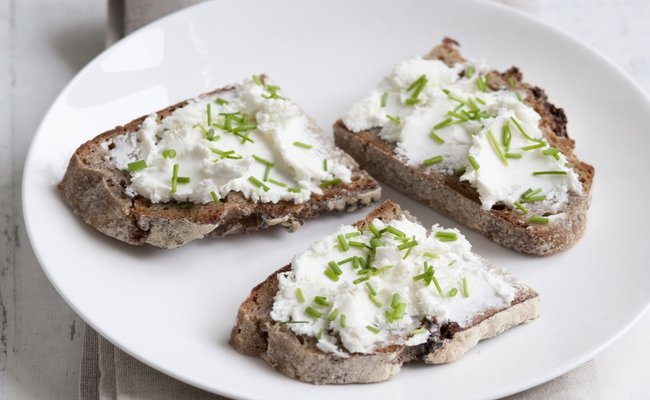
By Michelle Schoffro Cook This is my favorite probiotic-rich, dairy-free cheese. It is super-creamy and sliceable and even melts well, although heating it will destroy the beneficial cultures it contains. The cheese can be enjoyed on its own or with a drizzle of balsamic vinegar, fresh fruit, crackers, or fresh bread and a few snips of fresh chives.
Makes 1 medium-sized block of cheese
Ingredients:
• 1 cup raw, unsalted cashews
• 1 cup water, preferably filtered or unchlorinated
• 1 probiotic capsule or ½ teaspoon probiotic powder
• 1/3 cup coconut oil, melted but not hot
• 1 tablespoon dark miso
• 1/3 teaspoon sea salt (or to taste)
• 2 tablespoons chopped fresh or dried chives (optional)
How to Make:
1. Soak the cashews in water for 8 hours or overnight.
2. Strain the cashews, reserving the soak water. Blend the cashew and ½ cup of the soaking water together in a blender or with an immersion blender until smooth.
3. Pour the mixture into a glass or ceramic bowl. Empty the contents of the probiotic capsule or add the probiotic powder to the mixture; stir until well-blended. Cover with a cloth, and allow the cheese to ferment for 8 to 12 hours, according to taste. Shorter fermentation times create a milder cheese; longer times develop a stronger cheese flavor.
4. Blend together the cashew mixture, coconut oil, miso and salt. Once they are blended, gently stir in the chives if using.
5. Pour the cheese into a small glass bowl lined with cheesecloth, stirring to remove any air pockets. Allow it to chill in the refrigerator until firm, at least two hours.
6. Remove the cheese from the bowl, and serve immediately or store in an airtight container in the fridge.
7. The cheese will typically keep for one month when refrigerated.
Dr. Michelle Schoffro Cook, PhD, DNM is an international best-selling and 19-time published book author whose works include: Be Your Own Herbalist: Essential Herbs for Health, Beauty, and Cooking (New World Library, 2016).
This is my favorite probiotic-rich, dairy-free cheese. It is super-creamy and sliceable and even melts well, although heating it will destroy the beneficial cultures it contains. The cheese can be enjoyed on its own or with a drizzle of balsamic vinegar, fresh fruit, crackers, or fresh bread and a few snips of fresh chives.
Makes 1 medium-sized block of cheese
Ingredients:
• 1 cup raw, unsalted cashews
• 1 cup water, preferably filtered or unchlorinated
• 1 probiotic capsule or ½ teaspoon probiotic powder
• 1/3 cup coconut oil, melted but not hot
• 1 tablespoon dark miso
• 1/3 teaspoon sea salt (or to taste)
• 2 tablespoons chopped fresh or dried chives (optional)
How to Make:
1. Soak the cashews in water for 8 hours or overnight.
2. Strain the cashews, reserving the soak water. Blend the cashew and ½ cup of the soaking water together in a blender or with an immersion blender until smooth.
3. Pour the mixture into a glass or ceramic bowl. Empty the contents of the probiotic capsule or add the probiotic powder to the mixture; stir until well-blended. Cover with a cloth, and allow the cheese to ferment for 8 to 12 hours, according to taste. Shorter fermentation times create a milder cheese; longer times develop a stronger cheese flavor.
4. Blend together the cashew mixture, coconut oil, miso and salt. Once they are blended, gently stir in the chives if using.
5. Pour the cheese into a small glass bowl lined with cheesecloth, stirring to remove any air pockets. Allow it to chill in the refrigerator until firm, at least two hours.
6. Remove the cheese from the bowl, and serve immediately or store in an airtight container in the fridge.
7. The cheese will typically keep for one month when refrigerated.
Dr. Michelle Schoffro Cook, PhD, DNM is an international best-selling and 19-time published book author whose works include: Be Your Own Herbalist: Essential Herbs for Health, Beauty, and Cooking (New World Library, 2016).
Tuesday, May 10, 2016
5 Things Women Should Start Giving Themselves Permission to Do
By Katie Medlock Alright, ladies, the time is now. Time to stop buying into the ideas society has about what is not okay for women to do, but is perfectly acceptable for men. Time to give ourselves permission to be human and to stand up for ourselves when others would rather we sit down and be quiet.
As we gain more exposure to the world and others’ expectations for us, we can internalize all kinds of messages that affect us deeply. Some of these messages are beneficial and promote growth, yet there are many that can prevent us from developing into the fullest expression of our selves—if we let them. Here are some things we need to start giving ourselves permission to do in our daily life.
1. Accept compliments
Just so we’re clear, I’m talking about sincere compliments and not inappropriate comments or unwanted harassment—rather, the kind of stuff people tell us that deep down we are very touched to hear, but have a knee-jerk reaction to invalidate. Amy Schumer has a bold (NSFW) sketch about women’s reactions to compliments. While over the top, it shows how we feel the need to deny others’ praise and go one step further to actively put ourselves down. Instead of reacting that way, try saying “thank you” and telling yourself you deserve the kindness.
2. Say “No” sometimes”
That’s right, we have to allow ourselves to “lean out” when we need it. The old stereotype that women are all driven by a desire to nurture everyone else needs to be put to rest, if you ask me. There’s nothing wrong with stepping up to a challenge (or seeking one out!), but if we find ourselves saying “yes” to a request just because we don’t want to let someone down or hurt our image, we are doing something unhealthy. We are just as entitled as everyone else to bow out when we are overburdened or just plain don’t want to do something.
3. Appreciate ourselves, “flaws” and all
We have one doozy of a self-improvement complex in the Western world and, unfortunately, it tends to chastise anyone who isn’t constantly seeking perfection. What in the world is wrong with being happy with ourselves? On a physical level, we do not always need to be preparing for the next diet or sit-up challenge—we can love the bodies we have just as they are in the moment. On an emotional and intellectual level, it can cause more harm than good to constantly give in to critical self-talk. Take a break from becoming “better” at something and reflect on how awesome you already are.
4. Call people out when they disrespect us
Have you ever been spoken over, passed up, interrupted, belittled or otherwise invalidated? As much as our socialization may try to teach us this is just how things go, it’s actually okay to say “I wasn’t finished talking” or “Here’s what I think.” Acts of assertiveness are not rude, nor do they need to be accompanied by an apology. We may be fighting an uphill battle with our self-esteem and the world’s expectations for us, yet both will learn to adapt to women taking up equal space in the world, as long as we keep practicing it.
5. Fail
Even though the film is a laugh riot, I take issue with Ricky Bobby’s idea “if you’re not first, you’re last.” Life isn’t always about winning or even succeeding at what we set out to do. By not giving ourselves permission to fail at something, we are setting ourselves up for disappointment. This especially applies to allowing ourselves to fail at living up to what others want from us. Trying and failing is where growth happens, so let’s not be as afraid of this four-letter F-word.
Alright, ladies, the time is now. Time to stop buying into the ideas society has about what is not okay for women to do, but is perfectly acceptable for men. Time to give ourselves permission to be human and to stand up for ourselves when others would rather we sit down and be quiet.
As we gain more exposure to the world and others’ expectations for us, we can internalize all kinds of messages that affect us deeply. Some of these messages are beneficial and promote growth, yet there are many that can prevent us from developing into the fullest expression of our selves—if we let them. Here are some things we need to start giving ourselves permission to do in our daily life.
1. Accept compliments
Just so we’re clear, I’m talking about sincere compliments and not inappropriate comments or unwanted harassment—rather, the kind of stuff people tell us that deep down we are very touched to hear, but have a knee-jerk reaction to invalidate. Amy Schumer has a bold (NSFW) sketch about women’s reactions to compliments. While over the top, it shows how we feel the need to deny others’ praise and go one step further to actively put ourselves down. Instead of reacting that way, try saying “thank you” and telling yourself you deserve the kindness.
2. Say “No” sometimes”
That’s right, we have to allow ourselves to “lean out” when we need it. The old stereotype that women are all driven by a desire to nurture everyone else needs to be put to rest, if you ask me. There’s nothing wrong with stepping up to a challenge (or seeking one out!), but if we find ourselves saying “yes” to a request just because we don’t want to let someone down or hurt our image, we are doing something unhealthy. We are just as entitled as everyone else to bow out when we are overburdened or just plain don’t want to do something.
3. Appreciate ourselves, “flaws” and all
We have one doozy of a self-improvement complex in the Western world and, unfortunately, it tends to chastise anyone who isn’t constantly seeking perfection. What in the world is wrong with being happy with ourselves? On a physical level, we do not always need to be preparing for the next diet or sit-up challenge—we can love the bodies we have just as they are in the moment. On an emotional and intellectual level, it can cause more harm than good to constantly give in to critical self-talk. Take a break from becoming “better” at something and reflect on how awesome you already are.
4. Call people out when they disrespect us
Have you ever been spoken over, passed up, interrupted, belittled or otherwise invalidated? As much as our socialization may try to teach us this is just how things go, it’s actually okay to say “I wasn’t finished talking” or “Here’s what I think.” Acts of assertiveness are not rude, nor do they need to be accompanied by an apology. We may be fighting an uphill battle with our self-esteem and the world’s expectations for us, yet both will learn to adapt to women taking up equal space in the world, as long as we keep practicing it.
5. Fail
Even though the film is a laugh riot, I take issue with Ricky Bobby’s idea “if you’re not first, you’re last.” Life isn’t always about winning or even succeeding at what we set out to do. By not giving ourselves permission to fail at something, we are setting ourselves up for disappointment. This especially applies to allowing ourselves to fail at living up to what others want from us. Trying and failing is where growth happens, so let’s not be as afraid of this four-letter F-word.

14 Surprising Uses for Onions
By Katie Waldeck Rich in antioxidants, thought to prevent cancer, diabetes, and even the common cold, onions are nothing if not a superfood. But that’s not all they are — the same properties that make onions a great food to eat also make them great for other things, from healing your skin to cleaning metal. Click through to check out some surprising uses for onions, and leave your own tips in the comments section!
Health & Body
1. Repel Insects. Rubbing an onion on your skin is a simple way to repel bugs.
2. Soothe Insect Bites & Stings. Forgot to follow tip #1? Rubbing onion onto bug bites will help to ease the pain.
3. Soothe a Sore Throat. Making onion tea is a great remedy for soothing sore throats. On the stovetop, boil water with onion peels in it (about 1 cup of water for the peels of 1/2 an onion.) Bring to a boil, remove onion and serve.
4. Use in Place of Smelling Salts. Overwork yourself? Feeling light-headed? Onions are a great natural remedy to use instead of smelling salts.
5. Ease the Pain of Burns. Rubbing onions onto burns helps soothe the pain.
6. Remove Splinters. Have a splinter that just won’t budge? Try taping (yes, with tape, or a adhesive bandage) a piece of raw onion to it. Hold tight for about an hour before removing the onion.
Home.
7. Polish Metal. Slice onion and then crush it. Combine crushed onion with water. With a cloth, dab it on the metal surface. Rub until clean.
8. Get Rid of that Paint Smell. The same mixture described for polishing metal works great for combating the unpleasant, and sometimes unhealthy, odors of paints and varnishes.
9. Clean Sponges. Okay, so this particular use is actually for the mesh packaging that onions are often sold in, but hey — a way to re-use unnecessary packaging, right?! The mesh is a perfect tool to clean all that gunk that builds up on sponges. Cut it up into smaller pieces for best results.
10. Clean Your Grill. Chop an onion in half, and turn on your grill. Using a fork, glide the onion on the grill to scrub it clean.
11. Make a DIY Dye. Onion skins make great dyes! Place the skins in nylon panty hose, tie top shut, and boil in a pot for about 20 minutes.
Rich in antioxidants, thought to prevent cancer, diabetes, and even the common cold, onions are nothing if not a superfood. But that’s not all they are — the same properties that make onions a great food to eat also make them great for other things, from healing your skin to cleaning metal. Click through to check out some surprising uses for onions, and leave your own tips in the comments section!
Health & Body
1. Repel Insects. Rubbing an onion on your skin is a simple way to repel bugs.
2. Soothe Insect Bites & Stings. Forgot to follow tip #1? Rubbing onion onto bug bites will help to ease the pain.
3. Soothe a Sore Throat. Making onion tea is a great remedy for soothing sore throats. On the stovetop, boil water with onion peels in it (about 1 cup of water for the peels of 1/2 an onion.) Bring to a boil, remove onion and serve.
4. Use in Place of Smelling Salts. Overwork yourself? Feeling light-headed? Onions are a great natural remedy to use instead of smelling salts.
5. Ease the Pain of Burns. Rubbing onions onto burns helps soothe the pain.
6. Remove Splinters. Have a splinter that just won’t budge? Try taping (yes, with tape, or a adhesive bandage) a piece of raw onion to it. Hold tight for about an hour before removing the onion.
Home.
7. Polish Metal. Slice onion and then crush it. Combine crushed onion with water. With a cloth, dab it on the metal surface. Rub until clean.
8. Get Rid of that Paint Smell. The same mixture described for polishing metal works great for combating the unpleasant, and sometimes unhealthy, odors of paints and varnishes.
9. Clean Sponges. Okay, so this particular use is actually for the mesh packaging that onions are often sold in, but hey — a way to re-use unnecessary packaging, right?! The mesh is a perfect tool to clean all that gunk that builds up on sponges. Cut it up into smaller pieces for best results.
10. Clean Your Grill. Chop an onion in half, and turn on your grill. Using a fork, glide the onion on the grill to scrub it clean.
11. Make a DIY Dye. Onion skins make great dyes! Place the skins in nylon panty hose, tie top shut, and boil in a pot for about 20 minutes. Food.
12. Make Burned Rice Edible Again. Neglected your rice, and now some of it has burned? No need to toss it! Simply place half of an onion on top of the rice. It will absorb the burned taste.
13. Preserve Avocados. Prevent your avocados from browning by storing them in a plastic airtight container with red onions. Place half of an onion in the container first, skin side up, and then place the avocado. You can use red onion to store guacamole, too: Place some slices on top of the guac’ in a plastic container.
14. Cook Eggs Creatively. Want the ultimate oniony eggs? Check out this great recipe!
Food.
12. Make Burned Rice Edible Again. Neglected your rice, and now some of it has burned? No need to toss it! Simply place half of an onion on top of the rice. It will absorb the burned taste.
13. Preserve Avocados. Prevent your avocados from browning by storing them in a plastic airtight container with red onions. Place half of an onion in the container first, skin side up, and then place the avocado. You can use red onion to store guacamole, too: Place some slices on top of the guac’ in a plastic container.
14. Cook Eggs Creatively. Want the ultimate oniony eggs? Check out this great recipe!


Subscribe to:
Posts (Atom)
